Maximizing rental income from your Algarve vacation home requires more than just listing your property online. International investors face unique challenges including dramatic seasonal demand fluctuations, complex management requirements, and evolving regulatory frameworks. This article presents a comprehensive framework to evaluate income maximization strategies, from dynamic pricing and professional management to sustainable upgrades that enhance long-term value. You’ll discover actionable tactics backed by market data, learn how to navigate short-term versus long-term rental decisions, and understand expense optimization techniques that protect your net yields in Portugal’s competitive vacation rental market.
Inhaltsübersicht
- Criteria To Evaluate Ways To Maximize Rental Income In The Algarve
- Top Strategies To Boost Rental Income
- Comparing Rental Types And Their Impact On Income
- Managing Expenses And Enhancing Property Value Sustainably
- Discover Expert Support To Maximize Your Algarve Rental Income
- Frequently Asked Questions About Maximizing Rental Income In Algarve Vacation Homes
Key takeaways
| Punkt | Einzelheiten |
|---|---|
| Seasonal pricing strategy | Dynamic pricing adjusts rates based on demand patterns to maximize both occupancy and revenue throughout the year. |
| Professional management value | Expert property managers increase rental income through optimized pricing, strategic marketing, and risk mitigation services. |
| Rental type selection | Choosing between short-term and long-term rentals significantly impacts revenue potential, guest profiles, and management complexity. |
| Expense optimization | Understanding and controlling costs like IMI tax, condo fees, and management expenses protects net rental yields. |
| Sustainable upgrades | Eco-friendly improvements enhance property appeal, increase booking rates, and build long-term asset value. |
Criteria to evaluate ways to maximize rental income in the Algarve
Before implementing any income maximization strategy, you need a clear framework for evaluation. The Algarve vacation rental market presents distinct characteristics that demand careful consideration of multiple factors working together.
Seasonality dominates the Algarve rental landscape. Portugal’s vacation rental market in 2025 shows summer months generating the bulk of annual occupancy, while winter periods can see dramatic booking declines. Your strategy must address these fluctuations head-on. Properties that ignore seasonal patterns leave substantial revenue on the table during peak months and struggle with vacancy costs during slower periods.
Professional property management represents another critical evaluation criterion. Managing a vacation rental remotely from another country introduces operational complexities that can quickly erode profits. Consider whether you have the time, local knowledge, and systems to handle guest communications, maintenance emergencies, cleaning coordination, and pricing optimization. Most international investors underestimate the workload involved in successful property management.
Guest service quality directly impacts your occupancy rates and review scores. Exceptional cleaning standards, rapid maintenance response, and thoughtful amenities separate top-performing properties from mediocre ones. Evaluate whether your current service level meets or exceeds guest expectations in your property category. A single negative review about cleanliness can cost you dozens of future bookings.
Rental type selection fundamentally shapes your investment returns. Short-term vacation rentals through platforms like Airbnb offer higher nightly rates but require short-term rental licensing Algarve compliance and intensive management. Long-term rentals provide stable monthly income with lower operational demands but typically generate lower annual returns. Your choice depends on your income goals, risk tolerance, and management capacity.
Sustainable practices increasingly influence property performance. Energy-efficient upgrades, water conservation systems, and eco-friendly amenities appeal to environmentally conscious travelers who often book longer stays and leave better reviews. Sustainability also reduces operational costs and positions your property for future regulatory requirements.
Pro Tip: Create a scoring matrix for each criterion based on your specific situation. Rate each factor from 1 to 5 based on importance to your investment goals, then evaluate potential strategies against this customized framework.
Key evaluation criteria include:
- Seasonal demand management and occupancy smoothing capabilities
- Management workload and operational complexity requirements
- Guest service standards and quality control systems
- Regulatory compliance and licensing obligations
- Long-term property value and sustainability considerations
When evaluating strategies, prioritize approaches that address multiple criteria simultaneously. The most effective income maximization tactics create synergies across seasonality management, service quality, and operational efficiency. Single-dimension solutions rarely deliver sustained results in competitive markets like the Algarve.
Top strategies to boost rental income
With evaluation criteria established, let’s examine the specific strategies that consistently deliver results for Algarve property investors. These approaches combine market intelligence with operational excellence to maximize returns.
Dynamic pricing stands as the foundation of revenue optimization. Dynamic pricing is a decisive factor in maximizing both occupancy and revenue in the Portugal vacation rental market. Static pricing leaves money on the table during high-demand periods and creates vacancy gaps during slower seasons. Sophisticated pricing tools analyze competitor rates, local events, booking lead times, and historical demand patterns to adjust your rates daily or even hourly.
Implement pricing automation that responds to market signals in real time. During Algarve’s peak summer weeks, rates should climb as availability decreases. In shoulder seasons like April or October, strategic discounts for longer stays can fill otherwise empty calendar dates. The goal isn’t always the highest nightly rate but rather the optimal combination of rate and occupancy that maximizes total revenue.
Targeting mid to long-term bookings during off-season months smooths revenue fluctuations and reduces vacancy costs. November through March sees dramatically lower tourist demand, but digital nomads, retirees, and extended-stay travelers actively seek Algarve accommodations during these months. Offer monthly rate discounts of 20 to 30 percent to attract these guests who provide stable income without the turnover costs of short stays.
Pro Tip: List your property on platforms specifically targeting long-term stays during winter months while maintaining short-term availability on Airbnb and Buchen.com for summer. This dual strategy captures different guest segments throughout the year.
Professional property management delivers measurable income improvements through expertise you cannot easily replicate as a remote owner. Professional property management, including intelligent price optimization and strategic marketing, maximizes rental income while mitigating operational risks. Experienced managers understand local market nuances, maintain relationships with reliable service providers, and respond to guest needs in Portuguese when necessary.
Management companies typically charge 15 to 25 percent of rental income, but this fee often pays for itself through higher occupancy rates, premium pricing, and reduced maintenance costs. They handle guest screening, coordinate cleanings, manage maintenance issues, and optimize your listing across multiple platforms. The time savings alone justifies the expense for most international investors.
High-quality guest services create competitive advantages that justify premium pricing. Spotless cleanliness, rapid response to inquiries, thoughtful welcome amenities, and proactive maintenance prevent negative reviews while encouraging repeat bookings. Guests increasingly expect hotel-quality service in vacation rentals, and properties that deliver consistently outperform those with inconsistent standards.
Strategic marketing extends beyond listing your property on major platforms. Professional photography, compelling property descriptions, active social media presence, and direct booking websites reduce platform commission costs while building your brand. Consider these marketing priorities:
- Professional photos that showcase your property’s unique features and local surroundings
- SEO-optimized listing descriptions that include relevant keywords without sounding robotic
- Active management of reviews with thoughtful responses to both positive and negative feedback
- Email marketing to past guests encouraging direct rebookings and referrals
- Strategic partnerships with local tour operators and destination marketing organizations
The most successful Algarve rental properties combine multiple strategies rather than relying on any single approach. Dynamic pricing maximizes revenue per booking, professional management ensures consistent quality, and strategic marketing fills your calendar across all seasons. Using property managers amplifies these strategies by bringing local expertise and established systems to your investment.
“Success in vacation rental management comes from treating your property as a hospitality business, not just a real estate asset. Every guest interaction, pricing decision, and service detail contributes to your reputation and long-term profitability.”
Comparing rental types and their impact on income
Choosing between short-term and long-term rental strategies fundamentally shapes your investment returns and management experience. Each approach offers distinct advantages and challenges that align with different investor goals.

Understanding the differences between short-term and long-term renting is crucial for maximizing profitability in the Algarve market. Short-term rentals through Alojamento Local (AL) licensing allow nightly or weekly bookings to tourists and vacationers. This model typically generates higher gross revenue but demands intensive management and regulatory compliance.
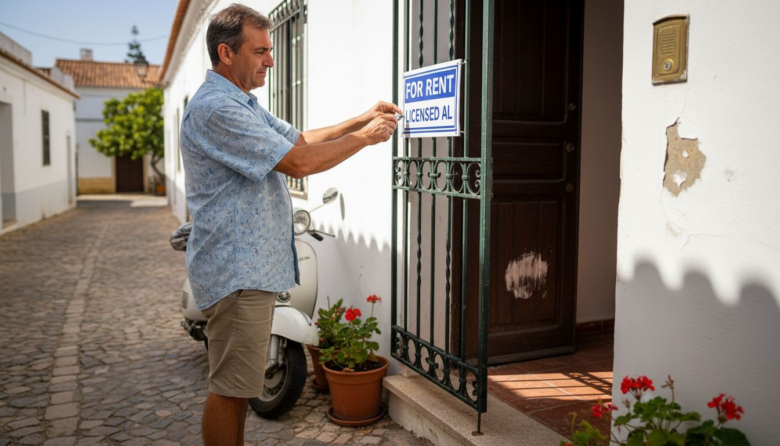
Short-term letting in the Algarve requires AL registration, which involves meeting specific property standards, obtaining necessary permits, and maintaining compliance with local regulations. Properties must display registration numbers in all marketing materials and follow rules regarding guest registration, tax collection, and safety standards. The regulatory burden increases management complexity but opens access to lucrative tourist markets.
Average occupancy rates for Airbnb properties in Lagos have hovered around 74 percent, generating annual revenue in the region of €30,000 for well-positioned properties. These figures represent gross income before expenses, which typically consume 25 to 35 percent of revenue. Peak summer months can achieve 90 to 100 percent occupancy at premium rates, while winter months may drop to 40 to 50 percent occupancy even with discounted pricing.
Long-term rentals provide stable monthly income with significantly lower management demands. Traditional lease agreements typically run for one year or longer, with tenants responsible for utilities and minor maintenance. This model reduces vacancy risk, minimizes turnover costs, and simplifies tax reporting. However, annual returns typically fall 30 to 40 percent below short-term rental potential.
| Rental Type | Average Annual Revenue | Occupancy Rate | Management Intensity | Regulatory Requirements |
|---|---|---|---|---|
| Short-term (AL) | €25,000 to €35,000 | 60% to 80% | High (daily operations) | AL license, tax registration, safety compliance |
| Long-term (12+ months) | €12,000 to €18,000 | 95% to 100% | Low (monthly rent collection) | Standard lease agreement, tenant rights compliance |
| Hybrid (seasonal mix) | €20,000 to €28,000 | 70% to 85% | Medium (flexible management) | AL license plus lease agreements |
Guest profiles differ dramatically between rental types. Short-term guests include tourists seeking beach vacations, families on holiday, and weekend travelers exploring the Algarve. They expect hotel-like services, rapid communication, and well-equipped properties with amenities like pools, outdoor spaces, and modern kitchens. These guests generate higher revenue per night but require constant attention to bookings, check-ins, and service requests.
Long-term tenants typically include local workers, retirees, and digital nomads seeking extended stays. They value stability, reasonable rent, and responsive maintenance rather than luxury amenities. Once placed, these tenants require minimal ongoing management beyond periodic property inspections and maintenance coordination.
Booking patterns reveal another key distinction. Short-term rentals see concentrated booking activity during spring and summer, with last-minute bookings common in peak season and advance bookings necessary for shoulder seasons. Long-term rentals follow annual lease cycles, with most turnover occurring in late summer and early fall when tenants relocate.
Regulatory challenges vary significantly. Short-term rentals face evolving regulations around licensing, taxation, and community impact. Portuguese municipalities increasingly scrutinize AL properties in residential areas, and some regions limit new registrations. Long-term rentals benefit from more stable regulatory frameworks but must comply with tenant protection laws that favor occupant rights.
Many sophisticated investors adopt hybrid strategies that capture benefits from both models. Rent your property short-term during high-demand summer months to maximize revenue, then transition to monthly rentals during winter to ensure stable income and reduce vacancy costs. This approach requires flexible management systems but optimizes returns across the full calendar year.
Your optimal rental type depends on several personal factors:
- Your revenue goals and acceptable income volatility
- Available time and resources for property management
- Comfort level with regulatory compliance and licensing requirements
- Property location and suitability for tourist versus residential markets
- Long-term investment strategy and exit timeline
Properties in prime tourist locations like Lagos, Albufeira, and Vilamoura typically perform better as short-term rentals due to consistent visitor demand. Properties in residential areas farther from beaches may generate better returns as long-term rentals with less management hassle.
Managing expenses and enhancing property value sustainably
Gross rental income tells only part of your investment story. Understanding and controlling expenses determines your actual net yield and long-term profitability. The Algarve market presents specific cost structures that international investors must navigate carefully.
Average net rental yield in the Algarve (2026) stands at approximately 3.1 percent after expenses, with costs consuming 25 to 35 percent of gross rental income. This substantial expense burden makes cost optimization critical to investment success.
Key expense categories include property taxes, condo fees, management costs, maintenance, utilities, insurance, and platform commissions. IMI (property tax) typically ranges from 0.3 to 0.8 percent of fiscal value annually, varying by municipality and property type. Urban properties generally face higher rates than rural ones. This tax applies regardless of rental income, creating a fixed cost base.
Condominium fees for apartment and townhouse properties average €50 to €150 monthly, covering common area maintenance, building insurance, and shared amenities like pools and gardens. These fees increase with property size and amenity quality. Standalone villas avoid condo fees but face higher individual maintenance costs for pools, gardens, and exterior upkeep.
Property management fees represent your largest variable cost for short-term rentals. Professional managers charge 15 to 25 percent of gross rental income, with higher percentages common for lower-value properties or those requiring intensive services. This fee typically covers guest communication, booking management, key exchange, and coordination of cleaning and maintenance. Some managers charge additional fees for specific services like property inspections or emergency repairs.
| Expense Category | Typical Annual Cost | Percentage of Gross Income | Optimization Strategies |
|---|---|---|---|
| Verwaltung von Immobilien | 15% to 25% of revenue | 15% to 25% | Negotiate based on volume, consider hybrid self-management |
| Platform commissions | 3% to 15% per booking | 5% to 12% | Encourage direct bookings, use lower-commission platforms |
| Cleaning and laundry | €40 to €80 per turnover | 8% to 12% | Bundle services, negotiate volume discounts |
| Wartung und Reparaturen | €1,500 to €3,000 | 5% to 10% | Preventive maintenance, vetted contractor relationships |
| Utilities (if owner-paid) | €100 to €200 monthly | 4% to 8% | Energy-efficient upgrades, guest education |
| Insurance | €300 to €800 annually | 1% to 3% | Shop annually, bundle policies, increase deductibles |
Utility costs vary dramatically based on property size, efficiency, and whether you include them in rental rates or charge separately. Short-term rentals typically include utilities in nightly rates, while long-term leases often pass utilities to tenants. Air conditioning drives summer electricity costs, while heating increases winter expenses in poorly insulated properties.
Platform commissions eat into revenue without providing direct value to your property. Airbnb charges guests a service fee but also deducts 3 percent from host payouts. Buchen.com typically charges 15 to 18 percent commission on the total reservation value. Direct bookings through your own website eliminate these fees entirely, making guest relationship management and repeat booking strategies valuable.
Pro Tip: Offer returning guests a 10 percent discount for direct bookings that bypass platform fees. You save 15 percent in commissions while the guest saves 10 percent, creating a win-win that builds loyalty and reduces your effective cost per booking.
Optimizing operational expenses requires systematic approaches:
- Negotiate annual service contracts with cleaning companies, maintenance providers, and pool services for volume discounts
- Implement preventive maintenance schedules that catch small issues before they become expensive emergencies
- Install smart home technology for remote monitoring and energy management
- Build relationships with reliable local contractors who provide fair pricing without tourist markups
- Review insurance policies annually and compare quotes from multiple providers
Sustainable practices reduce costs while enhancing property appeal and long-term value. Energy-efficient appliances, LED lighting, and improved insulation cut utility bills by 20 to 40 percent. Solar panels generate electricity that offsets consumption, with Portuguese incentives making installation increasingly affordable. Water-saving fixtures and drought-resistant landscaping reduce water costs in a region where summer water prices can spike.
Eco-conscious travelers actively seek properties with sustainable features. Highlighting solar power, water conservation, recycling programs, and eco-friendly cleaning products in your listing attracts guests willing to pay premium rates for environmentally responsible accommodations. These guests also tend to treat properties more carefully and leave better reviews.
Sustainable upgrades that deliver strong returns include:
- Solar water heating systems (2 to 4 year payback through energy savings)
- High-efficiency air conditioning units (immediate comfort improvement plus 30% energy reduction)
- Double-glazed windows (noise reduction and thermal efficiency)
- Native plant landscaping (lower water use and maintenance costs)
- Smart thermostats and lighting (remote control plus automated efficiency)
Professional property management in Portugal includes expense optimization as a core service. Experienced managers leverage established vendor relationships, negotiate better rates, and identify cost-saving opportunities that individual owners miss. Their local knowledge prevents overpaying for services while ensuring quality standards.
Long-term property value appreciation depends partly on sustainable practices and efficient operations. Properties with lower operating costs command higher sale prices because buyers recognize superior net yields. Energy-efficient homes also face less regulatory risk as European Union sustainability requirements tighten. Investing in efficiency today protects your asset value tomorrow while improving current cash flow.
Discover expert support to maximize your Algarve rental income
Maximizing rental income from your Algarve property requires local expertise, market knowledge, and operational systems that most international investors cannot easily replicate alone. Professional property management can increase rental income by 15 percent or more through optimized pricing, strategic marketing, and exceptional guest services that drive occupancy and reviews.
Riva Prime offers comprehensive property management in Lagos, Algarve designed specifically for international investors seeking hands-off income generation. Our team handles everything from dynamic pricing and guest communication to maintenance coordination and regulatory compliance. Discover how property managers boost Algarve rental income through proven strategies tailored to your investment goals.
Whether you’re considering your first Algarve investment or optimizing existing properties, our practical guide to buying Algarve property for investment provides actionable insights into market selection, financing options, and income projections. We help you make informed decisions that align with your financial objectives and lifestyle preferences.
Frequently asked questions about maximizing rental income in Algarve vacation homes
How does seasonality affect Algarve vacation rental income?
Seasonality creates dramatic income fluctuations, with summer months generating 60 to 70 percent of annual revenue while winter occupancy can drop to 40 percent or lower. Successful investors implement dynamic pricing that captures peak-season premiums while offering strategic discounts during slower months to smooth revenue throughout the year.
What are the benefits of dynamic pricing for rental properties?
Dynamic pricing automatically adjusts your rates based on demand signals like competitor pricing, local events, booking lead times, and historical patterns. This optimization maximizes revenue by charging premium rates during high-demand periods while maintaining competitive pricing during slower seasons, typically increasing annual income by 15 to 25 percent compared to static pricing.
Should I choose short-term or long-term renting for my Algarve property?
Short-term rentals generate 40 to 60 percent higher annual revenue but require short-term rental licensing in the Algarve and intensive management. Long-term rentals provide stable monthly income with minimal management demands but lower overall returns. Many investors adopt hybrid strategies, renting short-term during summer and long-term during winter to optimize income while managing workload.
How can professional management reduce rental risks?
Professional managers mitigate risks through expert guest screening, rapid maintenance response, regulatory compliance monitoring, and comprehensive insurance coordination. They handle emergencies in real time, prevent property damage through regular inspections, and navigate complex rental agreements in the Algarve that protect your interests. This expertise prevents costly mistakes that inexperienced owners commonly make.
What sustainable upgrades improve rental income and property value?
Solar water heating, energy-efficient air conditioning, LED lighting, and water-saving fixtures reduce operating costs by 20 to 40 percent while appealing to eco-conscious travelers who book longer stays. These upgrades also increase property resale value and position your investment favorably as European Union sustainability regulations tighten. The combination of lower costs and premium positioning delivers measurable income improvements within the first year.