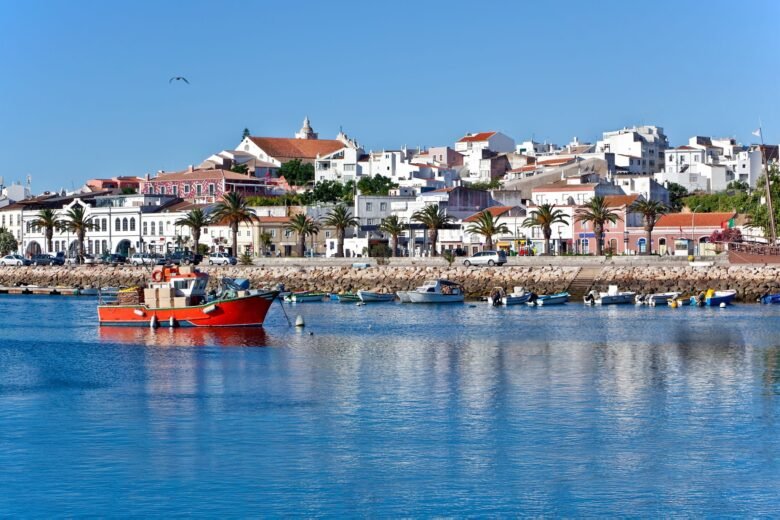
Regulatory confusion can turn a promising investment in Algarve into a costly setback for European buyers. Complex zoning restrictions, shifting license rules, and varying municipal tax rates make short-term rental ownership challenging even for experienced investors. For those aiming to balance profitable rentals with full legal compliance, understanding Portugal’s evolving system of zoning restrictions and AL licensing is critical to protect returns and avoid unexpected fines.
Table of Contents
- Defining Short-Term Rental Regulation In Portugal
- Key Types Of Short-Term Rental Licenses
- Legal Requirements For Al License Registration
- Municipal And Tax Rules Affecting Investors
- Compliance Risks, Fines, And Market Trends
Key Takeaways
| Point | Details |
|---|---|
| Local Zoning Rules | Short-term rental regulations are highly localized, varying significantly by municipality. Understanding these rules is essential before investing in property. |
| AL License Requirement | Obtaining an Alojamento Local (AL) license is mandatory for legal operation. Failure to secure this license can result in severe penalties, including fines and operational suspensions. |
| Tax Implications | Investors must be aware of varying tax obligations based on their classification as professional or casual operators, significantly affecting their net returns. |
| Compliance Monitoring | Continuous monitoring of local regulations is crucial due to their potential for rapid changes, which can directly impact rental operations and profitability. |
Defining Short-Term Rental Regulation in Portugal
Portugal’s short-term rental regulations exist because of real problems in real neighborhoods. Rising housing prices, tension between residents and tourists, and tourism-induced gentrification pushed the government to act. These aren’t abstract concerns—they affect daily life in communities across the country.
At its core, Portugal’s regulatory framework targets specific geographic areas and property types. The government uses zoning restrictions to control where short-term rentals can operate and how many licenses each area can issue. This means not every property qualifies, and not every location welcomes tourist accommodations. The approach reflects a fundamental principle: regulatory strategies must adapt.pdf) to local conditions rather than applying one-size-fits-all rules across the entire country.
For European investors like yourself, understanding these local variations is crucial. What works in one district of Lagos may face different requirements just kilometers away. The regulations consider property type (apartment versus house), tourism pressure in specific zones, and broader socio-economic conditions affecting each area.
Registration and licensing form the backbone of Portugal’s system. You cannot legally operate a short-term rental without proper authorization from local authorities. This registration process documents your property, confirms compliance with building codes, and establishes your tax obligations. It’s not a one-time checkbox—you maintain active status only by meeting ongoing requirements.
Tax obligations deserve particular attention. Short-term rental income falls under Portugal’s tax system, with rates varying based on your income level and whether you’re classified as a professional operator. Many investors underestimate these costs, which can significantly impact returns on investment.
Dica profissional Start your regulatory assessment by consulting local property bureaucracy resources early in your investment process, as zoning rules and licensing requirements vary substantially between neighborhoods in Lagos and require proper documentation from the outset.
Here’s a summary of key factors that influence short-term rental licensing success in Portugal:
| Factor | Impact on Investors | Varies By Location |
|---|---|---|
| Property Type | Affects license category | Rules differ per property |
| Zoning Restrictions | Determines rental approval | Defined by municipality |
| License Quotas | Limits market entry | Set annually per district |
| Tax Obligations | Influences net returns | Tax rates by municipality |
Key Types of Short-Term Rental Licenses
Portugal has one primary licensing system for short-term rentals, and understanding it is essential for your investment success. The Alojamento Local (AL) license is the main authorization you need to legally operate any short-term rental property in the country. Without this license, you cannot accept guests or generate rental income, period.
The AL license applies to various property types. Whether you’re investing in an apartment, villa, or guesthouse, the same licensing framework governs your operations. However, the license categories differ based on your specific property type and location. AL licenses distinguish between urban and rural properties, which can affect your approval timeline and any restrictions placed on your license.
Location matters more than you might think. The same property type faces different rules depending on whether it sits in a high-density tourist zone or a quieter residential area. Municipal authorities have significant control over which licenses they issue and under what conditions. Some cities in the Algarve tightly restrict apartment licenses in certain neighborhoods, while others remain more flexible.
Recent regulatory changes have shifted the landscape significantly. The “Mais Habitação” legislative package previously introduced strict limitations on apartment licenses in popular tourist areas. These restrictions have since been partially reversed, restoring some flexibility for property owners. The takeaway? Regulations evolve, and what applies today may change next year.
Your license type directly impacts your tax obligations and operating conditions. A residential property licensed for short-term rental operates under different tax brackets than a commercial property. This distinction affects your net returns substantially, so understanding your specific license category is critical before purchasing any property.
Operational standards apply uniformly across all AL licenses. Safety and hygiene requirements remain consistent whether you operate a small apartment or large villa. You’ll need to register with your local municipality and the national registry called RNAL. This registration process confirms you meet all building codes and safety standards.
Dica profissional Request a detailed license classification report for any property you’re considering, as municipal restrictions and license type can differ significantly between neighborhoods in Lagos and directly impact both approval likelihood and long-term profitability.
Legal Requirements for AL License Registration
Registering your AL license isn’t a simple checkbox process. You need to satisfy multiple legal requirements before your property can legally operate as a short-term rental. These requirements exist to protect guests, neighbors, and your own liability as an operator.
Your first step involves notifying the local municipality where your property sits. This notification formally alerts them to your intention to operate a short-term rental and begins the approval process. Each municipality reviews applications independently, so timelines vary significantly across the Algarve. Some approve within weeks; others take several months.
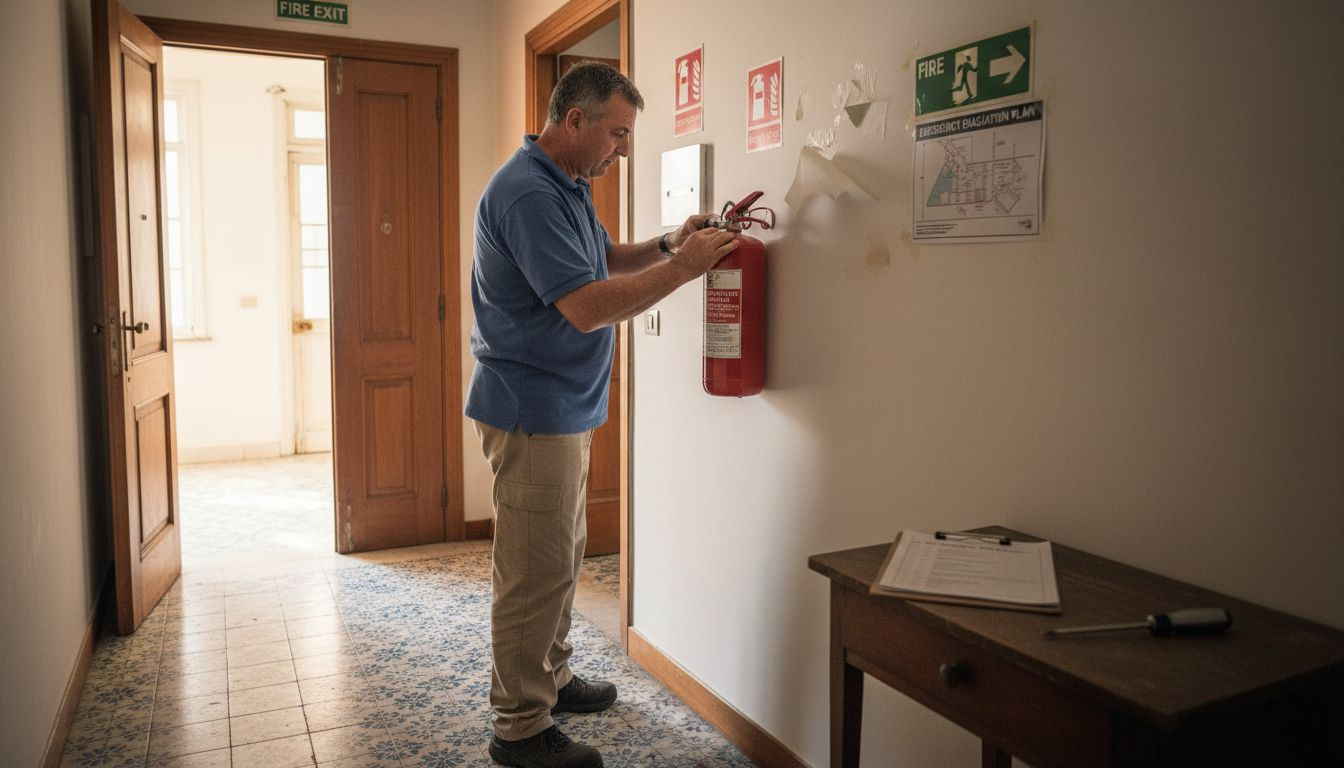
Fire safety compliance forms the cornerstone of legal requirements. Your property must have functioning fire extinguishers, emergency exits clearly marked, and evacuation plans posted in guest-accessible areas. These aren’t optional suggestions—they’re mandatory standards. Beyond fire safety, compliance with waste management and hygiene regulations is equally critical for approval and ongoing operation.
Accessibility standards apply regardless of your property size. You must ensure that disabled guests can reasonably access and use your accommodation. This might mean widened doorways, accessible bathrooms, or ramps depending on your property layout. These standards protect vulnerable guests while reducing your legal liability.
Once approved, you’ll register your property in RNAL, Portugal’s national short-term rental registry. This registration is mandatory and creates an official record of your licensed property. You receive an AL license number that must appear in every advertisement, booking confirmation, and guest communication. Omitting this number violates registration requirements and can result in fines.
Municipal requirements vary by location. Some municipalities impose additional zoning restrictions or require specific insurance coverage. Others may limit the number of guests or rental days per year. These local-specific constraints can significantly impact your operation, so understanding your municipality’s exact requirements before purchasing is critical.
Dica profissional Hire a local compliance consultant to verify all fire safety, waste management, and accessibility requirements before submitting your registration application, as municipal standards vary considerably and missing even one requirement can delay approval by months.
Municipal and Tax Rules Affecting Investors
Municipal governments across the Algarve hold tremendous power over your short-term rental operation. What’s legal in one municipality may be restricted or prohibited in another. Understanding your specific municipality’s rules before purchasing property is non-negotiable for investment success.
Each municipality sets its own quotas for new AL licenses. Lagos might approve 50 new licenses annually while a neighboring municipality caps approvals at 10. Some areas have closed their licensing entirely, preventing any new short-term rental properties from operating. This directly impacts property values and rental income potential in different neighborhoods.
Zoning restrictions create invisible boundaries that determine where rentals can operate. Your beachfront property in one zone might enjoy unlimited rental potential while an identical property two streets over faces strict limitations. Residential zones often prohibit short-term rentals entirely or restrict them to specific seasons. Commercial zones typically allow more flexibility, but come with higher property prices.
Tax obligations represent your biggest ongoing financial burden. Short-term rental income in Portugal falls under income tax, with rates escalating based on your total annual income. If you’re classified as a professional operator (typically based on rental activity frequency and scale), you’ll pay higher taxes but gain deductions for operating expenses. Casual operators face lower tax burdens initially but cannot deduct expenses as readily.
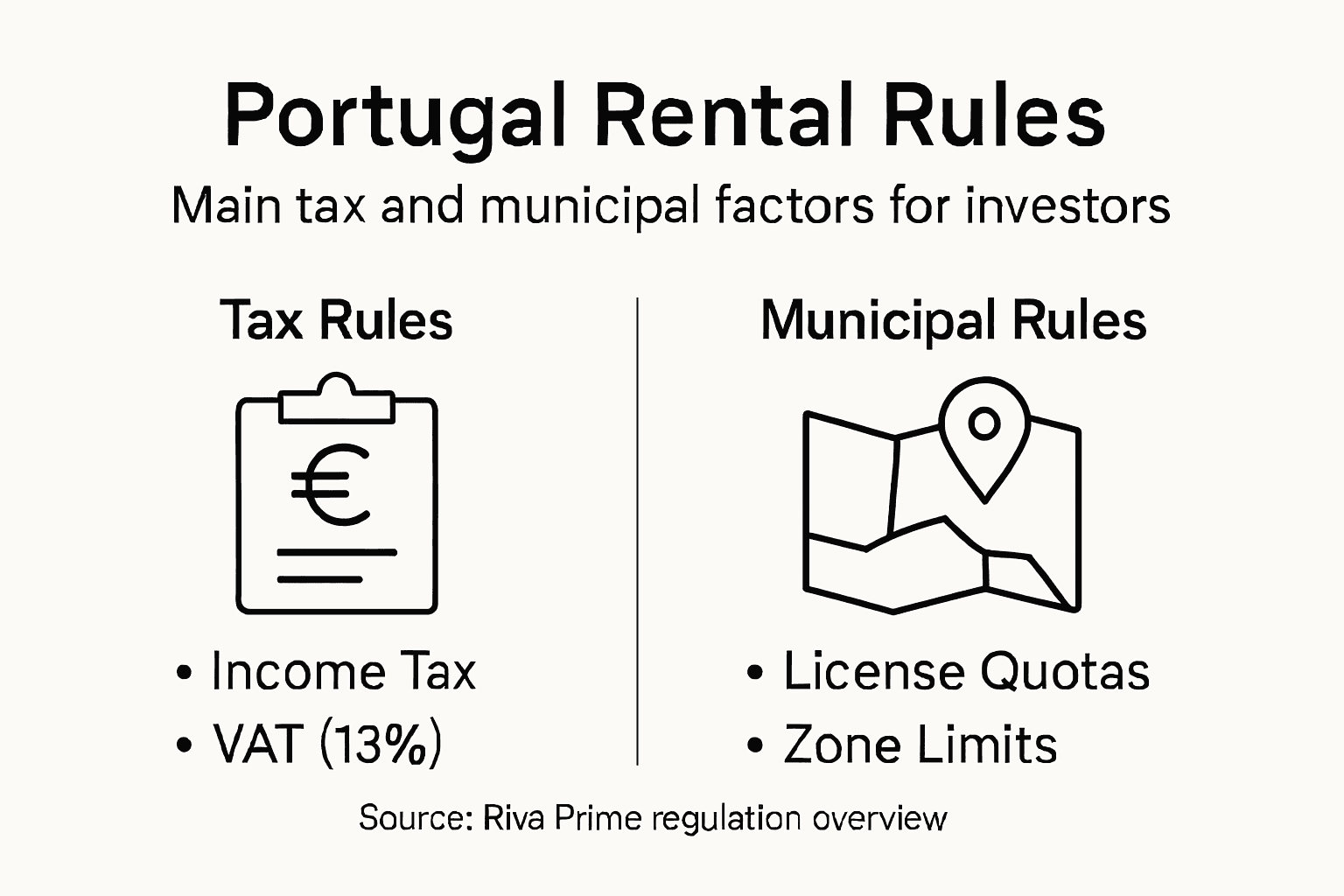
Value-added tax, or VAT, applies to your rental income at 13 percent in most cases. This isn’t optional—it’s automatically added to guest payments or deducted from your revenue depending on your business structure. Municipal tourism taxes vary significantly. Lagos charges different rates than Faro or Vilamoura, sometimes ranging from 1 to 3 percent of nightly rates.
Property-specific considerations affect your tax classification. The property value, location category, and your ownership structure (individual versus company) all influence tax treatment. Understanding property management obligations and tax implications requires expert guidance from professionals familiar with your specific municipality and property type.
Dica profissional Consult with a Portuguese tax accountant specializing in short-term rentals before finalizing any property purchase, as municipal tax rates, licensing quotas, and zoning restrictions vary dramatically and can reduce profitability by 30 percent or more.
Below you’ll find a comparison of main municipal restrictions and their financial implications:
| Rule Type | Typical Range | Financial Impact |
|---|---|---|
| Annual License Quota | 0-50 licenses per year | Limits property supply |
| Municipal Tax Rate | 1%-3% of nightly rates | Reduces rental income |
| VAT Requirement | Usually 13% on rental income | Affects overall profitability |
| Maximum Guests | Varies by property & area | Influences earning potential |
Compliance Risks, Fines, and Market Trends
Non-compliance with Portugal’s short-term rental regulations carries real financial consequences. Operating without a valid AL license exposes you to substantial fines, license suspension, or complete revocation. These penalties aren’t theoretical possibilities—they happen to investors who cut corners or misunderstand local rules.
Fines escalate based on violation severity. Failure to display your AL license number in advertisements or booking confirmations triggers penalties. Operating an unauthorized rental without any registration results in far steeper fines. Some municipalities impose daily penalties, meaning violations compound quickly. A minor oversight can cost thousands of euros before you notice the problem.
License suspension creates operational chaos. If authorities discover violations, they can temporarily suspend your license, preventing any guest bookings during the suspension period. During this time, you generate zero revenue while still covering mortgage, property taxes, and maintenance costs. Revocation is permanent and can take years to contest through legal channels.
European regulatory enforcement continues to intensify as member states balance tourism benefits against housing affordability and resident welfare concerns. Portugal participates in these broader EU discussions about standardized consumer protections and platform regulations. This means compliance expectations will only increase over time, not decrease.
Market trends show recovery following regulatory relaxations. Investor confidence has rebounded in Portuguese short-term rentals as legal certainty improves. However, this stability remains conditional on ongoing compliance monitoring. Recent policy shifts demonstrate that regulations can reverse quickly if political pressures shift.
The market remains subject to local policy changes. What’s permitted today may face restrictions tomorrow as municipalities respond to housing advocacy or resident complaints. Staying informed about regulatory changes requires consistent monitoring of municipal announcements and industry updates.
Dica profissional Set calendar reminders to review your municipality’s regulatory updates quarterly and maintain relationships with local compliance consultants who can alert you immediately when rules change, protecting your investment from surprise penalties or operational disruptions.
Navigate Portugal’s Short-Term Rental Regulations With Confidence
Understanding Portugal’s complex short-term rental framework is vital for EU investors who want to maximize returns while staying fully compliant. Strict zoning restrictions, licensing requirements, and evolving municipal tax rules can feel overwhelming. You want to avoid costly fines, operational delays, and regulatory surprises that could jeopardize your investment.
With Riva Prime, you gain access to expert guidance and comprehensive services that address these exact challenges. Our team specializes in helping international investors source, acquire, and manage properties in Lagos and the Algarve with full legal and financial support. We simplify AL license registration and ensure your property complies with local fire safety and accessibility regulations. Plus, we help you navigate the shifting landscape of municipal quotas and tax obligations so you can focus on growing your rental income without worry.

Ready to turn regulatory complexity into your competitive advantage? Explore our tailored property investment and management solutions at Riva Prime where local expertise meets international standards. Don’t let unclear rules hold you back. Start your hassle-free journey to secure and profitable Algarve real estate investment today by visiting our website and contacting our team for personalized support.
Domande frequenti
What are the main types of short-term rental licenses in Portugal?
The primary license needed for operating short-term rentals in Portugal is the Alojamento Local (AL) license. This license applies to various property types, including apartments, villas, and guesthouses, but the approval conditions may vary based on location and property type.
What legal requirements must I meet to register for an AL license?
To register for an AL license, you need to notify your local municipality, comply with fire safety and hygiene standards, ensure accessibility for disabled guests, and register your property in Portugal’s national rental registry (RNAL). Meeting these requirements is essential for legal operation.
How do municipal regulations affect short-term rental profitability?
Municipal regulations can significantly impact profitability through annual license quotas, tax obligations, and zoning restrictions. These regulations can limit the number of licenses issued, alter tax rates on rental income, and dictate where short-term rentals can operate.
What risks do I face if I operate a short-term rental without proper compliance?
Operating without a valid AL license poses serious risks, including substantial fines, potential license suspension, and even permanent revocation of your rental license. Non-compliance can lead to daily penalties and financial losses due to lost rental income during suspension periods.
Recommended
- Property Management in Lagos, Algarve for Investors | Riva Prime
- Quanto si può realmente guadagnare da una proprietà a Lagos, in Portogallo.
- Investimento immobiliare a Lagos, Algarve per acquirenti UE | Riva Prime
- Are Short-Term Leases in Boca Raton All They’re Cracked Up to Be? A Comprehensive Review – Luxury Apartments for Rent in Boca Raton | Premium Boca Raton Apartments | Aapartments Boca Raton