
Zapewnienie sobie stałego źródła dochodów przy jednoczesnym budowaniu przyszłego majątku może wydawać się trudnym zadaniem, zwłaszcza dla osób rozważających inwestycję w nieruchomości na wynajem w pięknym regionie Algarve w Portugalii. Dla wielu europejskich inwestorów, którzy wykraczają poza krótkoterminowe spekulacje, skupienie się na długoterminowe inwestycje w nieruchomości stanowi skuteczną drogę do stabilności finansowej i wzrostu kapitału. W niniejszym artykule omówiono, w jaki sposób dłuższe okresy utrzymywania aktywów, zdywersyfikowany wybór aktywów oraz fachowe doradztwo lokalnych ekspertów mogą pomóc inwestorom z zagranicy w wykorzystaniu możliwości, jakie oferuje Portugalia w zakresie stabilnego dochodu i długoterminowego pomnażania majątku.
Spis treści
- Definicja długoterminowej inwestycji w nieruchomości
- Rodzaje długoterminowych inwestycji w nieruchomości
- W jaki sposób inwestycje długoterminowe przyczyniają się do budowania majątku
- Przepisy prawne i podatkowe w Portugalii
- Ryzyko, koszty i wyzwania związane z własnością zdalną
Kluczowe wnioski
| Punkt | Szczegóły |
|---|---|
| Perspektywa długoterminowa | Długoterminowe inwestowanie w nieruchomości kładzie nacisk na stały dochód i wzrost wartości kapitału, co wymaga strategicznego doboru aktywów oraz cierpliwości. |
| Różnorodne rodzaje nieruchomości | Inwestorzy mogą wybierać spośród różnych rodzajów nieruchomości, w tym mieszkaniowych, komercyjnych i przemysłowych, z których każdy wiąże się z odmiennymi rodzajami ryzyka i potencjalnymi zyskami. |
| Mechanizmy budowania majątku | Generowanie dochodu, wzrost wartości kapitału oraz korzyści podatkowe mają kluczowe znaczenie dla wykorzystania długoterminowych inwestycji w nieruchomości w celu budowania majątku. |
| Poruszanie się po kwestiach prawnych i podatkowych | Zrozumienie uwarunkowań prawnych i podatkowych w takich regionach jak Portugalia ma kluczowe znaczenie dla inwestorów zagranicznych, którzy chcą zoptymalizować swoje strategie inwestycyjne. |
Definicja długoterminowej inwestycji w nieruchomości
Długoterminowe inwestowanie w nieruchomości to strategiczne podejście finansowe polegające na nabywaniu aktywów nieruchomościowych w celu generowania stałego dochodu i wzrostu wartości kapitału w długim okresie. W odróżnieniu od krótkoterminowej spekulacji ta strategia inwestycyjna kładzie nacisk na stałe źródła dochodów oraz systematyczne gromadzenie majątku dzięki starannie dobranym inwestycjom w nieruchomości.
Z punktu widzenia instytucji, długoterminowe strategie inwestycyjne zazwyczaj wiążą się z okresami utrzymywania inwestycji wykraczającymi poza tradycyjne cykle rynkowe, często wynoszącymi od 5 do 20 lat. Inwestycje te charakteryzują się kilkoma kluczowymi cechami:
- Stałe generowanie dochodów dzięki zyskom z wynajmu
- Możliwość znacznego wzrostu wartości kapitału
- Niższe koszty transakcyjne w porównaniu z częstym obrotem nieruchomościami
- Korzyści wynikające z dywersyfikacji portfela
- Zabezpieczenie przed inflacją
Badania naukowe dodatkowo potwierdzają złożoność długoterminowych inwestycji w nieruchomości, podkreślając specyficzne cechy poszczególnych sektorów rynku nieruchomości. Analizy historycznych stóp zwrotu wykazać, że nieruchomości mieszkalne, komercyjne i rolnicze charakteryzują się specyficznymi wzorcami rentowności oraz tempami wzrostu realnych dochodów.
Główne horyzonty inwestycyjne
- Krótkoterminowe: 1–3 lata
- W perspektywie średnioterminowej: 3–5 lat
- Długoterminowo: 5–20 lat
Skuteczna długoterminowa inwestycja w nieruchomości wymaga dogłębnego zrozumienia rynku, strategicznego doboru aktywów oraz cierpliwości. Inwestorzy muszą analizować trendy makroekonomiczne, dynamikę lokalnego rynku, jakość nieruchomości oraz potencjał trwałego wzrostu ich wartości.
Wskazówka: Przed podjęciem decyzji o wdrożeniu jakiejkolwiek długoterminowej strategii inwestycyjnej w nieruchomości należy przeprowadzić szczegółową analizę due diligence oraz rozważyć skorzystanie z porad lokalnych ekspertów z branży nieruchomości, którzy znają specyfikę regionalnego rynku.
Rodzaje długoterminowych inwestycji w nieruchomości
Długoterminowe inwestycje w nieruchomości obejmują szeroki wachlarz klas aktywów nieruchomościowych, z których każda charakteryzuje się unikalnymi cechami, profilem ryzyka i potencjalną stopą zwrotu. Kategorie inwestycji w nieruchomości zazwyczaj obejmują nieruchomości mieszkalne, komercyjne, przemysłowe oraz grunty, zapewniając inwestorom liczne strategiczne możliwości pomnażania majątku.
Do głównych rodzajów długoterminowych inwestycji w nieruchomości należą:
- Nieruchomości mieszkaniowe
- Domy jednorodzinne
- Kompleksy mieszkaniowe składające się z wielu budynków
- Wspólnoty mieszkaniowe
- Kamienice
- Nieruchomości komercyjne
- Budynki biurowe
- Powierzchnie handlowe
- Inwestycje wielofunkcyjne
- Nieruchomości przemysłowe
- Magazyny
- Zakłady produkcyjne
- Centra dystrybucji
- Specjalistyczne typy nieruchomości
- Grunty rolne
- Placówki opieki zdrowotnej
- Mieszkania dla studentów
Analizy historycznych stóp zwrotu pokazują, że każdy typ nieruchomości wykazuje odrębną charakterystykę wydajności. Nieruchomości mieszkaniowe często zapewniają bardziej stabilne strumienie dochodów, podczas gdy nieruchomości komercyjne i przemysłowe mogą oferować wyższe potencjalne zwroty przy odpowiednio wyższym poziomie ryzyka.
Różne typy nieruchomości reagują w unikalny sposób na cykle gospodarcze, co sprawia, że dywersyfikacja w różnych klasach aktywów ma kluczowe znaczenie dla długoterminowej stabilności inwestycji.
Każda kategoria inwestycji wymaga szczególnej należytej staranności i zrozumienia dynamiki lokalnego rynku. Nieruchomości mieszkaniowe mogą oferować bardziej stały popyt na wynajem, podczas gdy nieruchomości komercyjne mogą zapewniać dłuższe okresy najmu i potencjalnie wyższe zyski z najmu.

Oto porównanie głównych typów długoterminowych inwestycji w nieruchomości pod względem ryzyka, płynności i wysiłku związanego z zarządzaniem:
| Typ nieruchomości | Poziom ryzyka | Płynność | Wysiłek związany z zarządzaniem |
|---|---|---|---|
| Mieszkaniowy | Umiarkowane ryzyko | Stosunkowo wysoki | Umiarkowany |
| Komercyjne | Wyższe ryzyko | Zmienna | Wysoki |
| Przemysłowy | Umiarkowany do wysokiego | Niższy | Umiarkowany |
| Specjalistyczne (ziemia, opieka zdrowotna) | Bardzo zróżnicowane | Niski | Specjalistyczne |
Rozważania inwestycyjne według typu nieruchomości
- Mieszkaniowe: Niższe koszty wejścia, stały popyt
- Komercyjne: wyższe potencjalne zyski, bardziej złożone zarządzanie
- Przemysł: Rosnący sektor z ekspansją e-commerce
- Grunt: Potencjał znacznego wzrostu wartości
Wskazówka: Przeprowadź kompleksowe badania rynku i rozważ skonsultowanie się z wyspecjalizowanymi specjalistami ds. nieruchomości, którzy mogą zapewnić wgląd w wyniki poszczególnych typów nieruchomości i lokalne trendy rynkowe.
W jaki sposób inwestycje długoterminowe przyczyniają się do budowania majątku
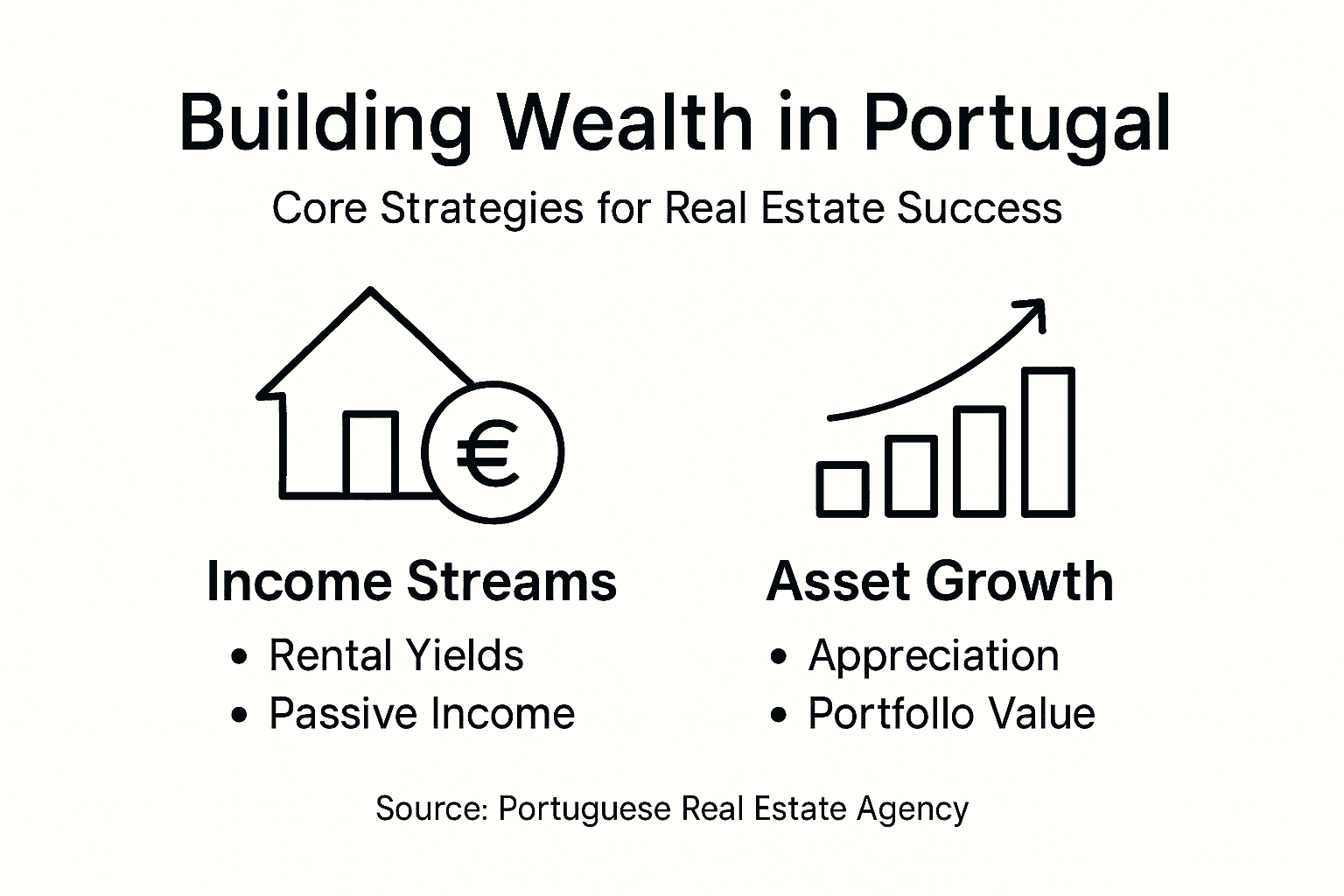
Budowanie bogactwa poprzez długoterminowe inwestycje w nieruchomości to wyrafinowana strategia, która wykorzystuje wiele mechanizmów finansowych do generowania trwałego dochodu i wzrostu wartości kapitału. Techniki budowy portfela pokazują, w jaki sposób strategiczna alokacja aktywów i cierpliwe podejście inwestycyjne mogą przekształcić posiadane nieruchomości w potężne narzędzia do generowania bogactwa.
Podstawowe mechanizmy budowania bogactwa długoterminowych inwestycji w nieruchomości obejmują:
- Stały dochód z wynajmu
- Regularne miesięczne przepływy pieniężne
- Możliwość okresowych podwyżek czynszu
- Generowanie pasywnego dochodu
- Wzrost wartości kapitału
- Wartość nieruchomości wzrasta wraz z upływem czasu
- Wzrost wartości rynkowej przekraczający początkową inwestycję
- Akumulacja kapitału własnego
- Korzyści podatkowe
- Odliczenia amortyzacyjne
- Odpisy odsetek hipotecznych
- Potencjalne korzyści z wymiany 1031
Strategie systematycznego inwestowania podkreślają kluczowe znaczenie wczesnego rozpoczęcia i utrzymania zdyscyplinowanego podejścia inwestycyjnego. Skuteczne budowanie bogactwa wymaga zrozumienia zasad procentu składanego i rozwijania długoterminowej perspektywy, która wykracza poza krótkoterminowe wahania rynkowe.
Akumulacja bogactwa poprzez inwestycje w nieruchomości nie polega na wyczuciu czasu na rynku, ale na czasie na rynku.
Inwestorzy mogą zwiększyć swój potencjał budowania bogactwa poprzez kilka strategicznych podejść:
- Reinwestowanie dochodu z wynajmu w ulepszenia nieruchomości
- Wykorzystanie wzrostu wartości nieruchomości do dodatkowych inwestycji
- Utrzymanie nieruchomości w celu zachowania i zwiększenia ich wartości
- Dywersyfikacja różnych typów i lokalizacji nieruchomości
Kluczowe współczynniki pomnażania bogactwa
- Konsekwentne inwestycje
- Strategiczny wybór nieruchomości
- Długoterminowe okresy posiadania
- Aktywne zarządzanie portfelem
Wskazówka: Stwórz kompleksową strategię inwestycyjną, która równoważy natychmiastowe generowanie dochodu z długoterminowym potencjałem wzrostu, i regularnie przeglądaj swój portfel, aby zapewnić zgodność z celami finansowymi.
Przepisy prawne i podatkowe w Portugalii
Poruszanie się w prawnym i podatkowym krajobrazie inwestycji w nieruchomości w Portugalii wymaga kompleksowego zrozumienia wyjątkowego otoczenia regulacyjnego tego kraju. Zasady podatkowe dla inwestorów zagranicznych stwarzają zarówno możliwości, jak i złożoność, które wymagają starannego rozważenia i planowania strategicznego.
Kluczowe kwestie prawne i podatkowe dla inwestorów w nieruchomości obejmują:
- Podatek od nabycia nieruchomości
- Podatek od przeniesienia własności (IMT)
- Opłata skarbowa
- Opłaty notarialne i rejestracyjne
- Bieżące opodatkowanie nieruchomości
- Podatek od nieruchomości komunalnych (IMI)
- Roczne podatki od własności nieruchomości
- Potencjalne lokalne opłaty komunalne
- Opodatkowanie dochodów i zysków kapitałowych
- Stawki podatku dochodowego od wynajmu
- Obliczenia podatku od zysków kapitałowych
- Wymogi dotyczące sprawozdawczości podatkowej
Program podatkowy dla osób niebędących stałymi rezydentami (NHR) oferuje znaczące korzyści podatkowe dla inwestorów zagranicznych, zapewniając potencjalnie obniżone stawki podatkowe i zwolnienia z niektórych rodzajów dochodów. Program ten może znacząco wpłynąć na ogólną strategię finansową inwestycji w nieruchomości.
Zagraniczni inwestorzy muszą uzyskać portugalski numer podatkowy (NIF) i zrozumieć szczególne obowiązki podatkowe związane z posiadaniem nieruchomości i generowaniem dochodu.
Inwestorzy powinni być świadomi krytycznych wymogów prawnych:
- Uzyskanie portugalskiego numeru identyfikacji podatkowej (NIF)
- Otwarcie portugalskiego konta bankowego
- Rejestracja nieruchomości w lokalnych władzach miejskich
- Zgodność z rocznymi obowiązkami w zakresie sprawozdawczości podatkowej
Krytyczne wymagania dotyczące dokumentacji
Poniższa tabela podsumowuje kluczowe wymogi dotyczące dokumentacji prawnej i podatkowej dla inwestorów w Portugalii:
| Typ dokumentu | Cel | Kto tego potrzebuje |
|---|---|---|
| Portugalski numer identyfikacji podatkowej (NIF) | Wymagane dla wszystkich transakcji | Wszyscy inwestorzy w nieruchomości |
| Dowód adresu | Weryfikacja tożsamości | Zagraniczni nabywcy |
| Dokumenty dotyczące rachunku bankowego | Włącz opcję płatności za nieruchomości | Właściciele i nabywcy |
| Umowa kupna-sprzedaży | Potwierdź prawo własności | Nabywcy nieruchomości |
- Ważny paszport
- Dowód adresu
- Portugalski numer identyfikacji podatkowej
- Dokumentacja dotycząca zakupu nieruchomości
Wskazówka: Skonsultuj się z lokalnym doradcą podatkowym specjalizującym się w inwestycjach w nieruchomości w Portugalii, aby zapewnić pełną zgodność z przepisami i zoptymalizować swoją strategię podatkową.
Ryzyko, koszty i wyzwania związane z własnością zdalną
Inwestowanie w portugalskie nieruchomości jako inwestor działający zdalnie wiąże się z szeregiem potencjalnych zagrożeń i kwestii finansowych, co sprawia, że jest to złożona dziedzina. Perspektywy rynku nieruchomości wskazują na poważne wyzwania strukturalne, które wymagają starannego planowania strategicznego i kompleksowego zarządzania ryzykiem.
Do głównych czynników ryzyka i kosztów związanych z posiadaniem nieruchomości na odległość należą:
- Ryzyko finansowe
- Wahania wartości na rynku nieruchomości
- Zmienność kursów walutowych
- Nieprzewidziane wydatki związane z konserwacją
- Wyzwania operacyjne
- Złożoność zarządzania nieruchomościami
- Bariery komunikacyjne związane z odległością
- Wymogi dotyczące zgodności z przepisami
- Ryzyko związane z konkretnym rynkiem
- Niestabilność gospodarcza w regionie
- Zmieniająca się dynamika rynku najmu
- Opóźnienia związane z procedurami biurokratycznymi
Analiza porównawcza struktury własnościowej podkreśla złożone kwestie finansowe, z którymi muszą się zmierzyć inwestorzy zdalni, w tym koszty początkowe, bieżące opłaty oraz potencjalne wahania rynkowe, które mogą znacząco wpłynąć na zwroty z inwestycji.
Posiadanie nieruchomości na odległość wymaga proaktywnego podejścia, solidnej sieci wsparcia lokalnego oraz dogłębnego zrozumienia dynamiki rynku regionalnego.
Do kluczowych strategii ograniczania ryzyka związanego z własnością zdalną należą:
- Zapewnienie rzetelnego zarządzania nieruchomościami na poziomie lokalnym
- Stworzyć kompleksowe fundusze rezerwowe
- Stwórz skuteczne kanały komunikacji
- Należy regularnie przeprowadzać oceny stanu nieruchomości
- Zapoznać się z lokalnymi przepisami prawnymi i podatkowymi
Szacunkowy podział kosztów dla inwestorów zagranicznych
- Początkowe koszty nabycia nieruchomości: 7–121 TP3T wartości nieruchomości
- Roczne koszty utrzymania: 1–31 TP3T wartości nieruchomości
- Opłaty za zarządzanie nieruchomością: 8–151 TP3T od dochodu z wynajmu
- Doradztwo prawne i podatkowe: Zróżnicowane
Wskazówka: Stwórz sprawdzoną lokalną sieć specjalistów z branży nieruchomości, doradców prawnych i zarządców nieruchomości, aby zapewnić kompleksowe wsparcie i zminimalizować potencjalne ryzyko inwestycyjne.
Zabezpiecz sobie dochodowe, długoterminowe inwestycje w nieruchomości w Portugalii z Riva Prime
Poruszanie się po zawiłościach związanych z długoterminowymi inwestycjami w nieruchomości w Portugalii może wydawać się przytłaczające, zwłaszcza gdy trzeba radzić sobie z takimi zagrożeniami, jak zgodność z przepisami prawnymi, regulacje podatkowe oraz wyzwania związane z posiadaniem nieruchomości na odległość. W artykule omówiono kluczowe kwestie, w tym zrozumienie portugalskich przepisów podatkowych, pokonywanie przeszkód operacyjnych oraz wybór odpowiednich rodzajów nieruchomości w celu maksymalizacji dochodów z wynajmu i wzrostu wartości kapitału. Jeśli chcesz z pewnością siebie inwestować w Lagos w regionie Algarve, pokonując jednocześnie te wyzwania, Riva Prime oferuje rozwiązania dostosowane do indywidualnych potrzeb, przeznaczone dla międzynarodowych klientów poszukujących bezproblemowych inwestycji w nieruchomości oraz ich zdalnego zarządzania.

Nawiąż współpracę z Riva Prime, aby uzyskać dostęp do fachowych analiz rynkowych, kompleksowego wsparcia prawnego i finansowego oraz sprawdzonych usług w zakresie zarządzania wynajmem — a wszystko to w celu maksymalizacji Twoich długoterminowych zysków. Nie pozwól, by odległość czy złożoność rynku powstrzymały Cię przed pozyskaniem idealnej nieruchomości inwestycyjnej. Rozpocznij swoją przygodę już teraz, zapoznając się z naszą ofertą usługi inwestycyjne i dowiedz się, w jaki sposób lokalna wiedza specjalistyczna oraz spersonalizowane wsparcie firmy Riva Prime mogą pomóc Ci w budowaniu trwałego majątku poprzez inwestycje w nieruchomości w Portugalii. Odwiedź stronę Riva Prime już dziś i zrób pewne kroki w kierunku długoterminowego sukcesu na rynku nieruchomości.
Najczęściej zadawane pytania
Jakie są główne zalety długoterminowego inwestowania w nieruchomości?
Długoterminowe inwestycje w nieruchomości zapewniają stały dochód z wynajmu, potencjał wzrostu wartości kapitałowej, niższe koszty transakcyjne w porównaniu z częstym obrotem nieruchomościami, dywersyfikację portfela oraz stanowią zabezpieczenie przed inflacją.
Jak wybrać odpowiedni rodzaj nieruchomości pod długoterminową inwestycję?
Wybór odpowiedniego rodzaju nieruchomości zależy od celów inwestycyjnych, tolerancji ryzyka oraz warunków rynkowych. Nieruchomości mieszkalne zazwyczaj zapewniają stabilny dochód, natomiast nieruchomości komercyjne i przemysłowe mogą oferować wyższe zyski, ale wiążą się z większym ryzykiem.
Jakie są typowe zagrożenia związane z długoterminowymi inwestycjami w nieruchomości?
Do głównych zagrożeń należą wahania wartości nieruchomości, nieprzewidziane wydatki związane z utrzymaniem, trudności operacyjne związane z odległością, z jakimi borykają się inwestorzy z odległych lokalizacji, oraz niestabilność gospodarcza w regionie, która może wpłynąć na popyt na wynajem.
W jaki sposób inwestorzy zagraniczni mogą zoptymalizować swoją strategię podatkową w zakresie inwestycji w nieruchomości?
Inwestorzy zagraniczni mogą zoptymalizować swoją strategię podatkową, korzystając z takich programów jak program podatkowy dla rezydentów nieregularnych (NHR), zapoznając się z podatkami od nabycia nieruchomości oraz uzyskując portugalski numer identyfikacji podatkowej (NIF), aby zapewnić wypełnienie lokalnych obowiązków podatkowych.
Zalecane
- 7-punktowa lista kontrolna inwestycji w portugalskie nieruchomości dla nabywców z UE - RIVA PRIME CONSULTING
- Ile naprawdę możesz zarobić na nieruchomości w Lagos w Portugalii.
- Inwestowanie w nieruchomości w Portugalii krok po kroku: Bezpieczny wynajem z zyskiem - RIVA PRIME CONSULTING
- Dlaczego warto kupować pod wynajem w Algarve: Zyskowne spostrzeżenia dotyczące wynajmu - RIVA PRIME CONSULTING
- Agenci nieruchomości San Pedro, Marbella, Benahavis & Estepona - Marbellapads.com | Marbellapads