Over 40% of rental disputes in Portugal stem from verbal agreements that lack legal enforceability. For international investors in the Algarve, this statistic reveals a critical truth: formal written rental agreements are not optional luxuries but essential legal safeguards protecting your investment returns. This guide clarifies the Portuguese legal framework governing rental contracts, essential clauses protecting your interests, and practical strategies for managing agreements remotely while maximizing rental income security.
Table of Contents
- Introduction To Rental Agreements In The Algarve
- Legal Framework Governing Rental Agreements In Portugal And Algarve Specifics
- Key Clauses Defining Rights And Responsibilities Of Parties
- Differences In Rental Agreements For Holiday Rentals Versus Long-Term Residential Leases
- Financial And Tax Implications Linked To Rental Agreements
- Common Misconceptions About Rental Agreements In The Algarve
- Practical Tips For International Investors Managing Rental Contracts Remotely
- Conclusion: Maximizing Security And Returns Through Sound Rental Agreements
- Secure Your Algarve Investment With Expert Rental Agreement Support
- Frequently Asked Questions About Rental Agreements In The Algarve
Key takeaways
| Point | Details |
|---|---|
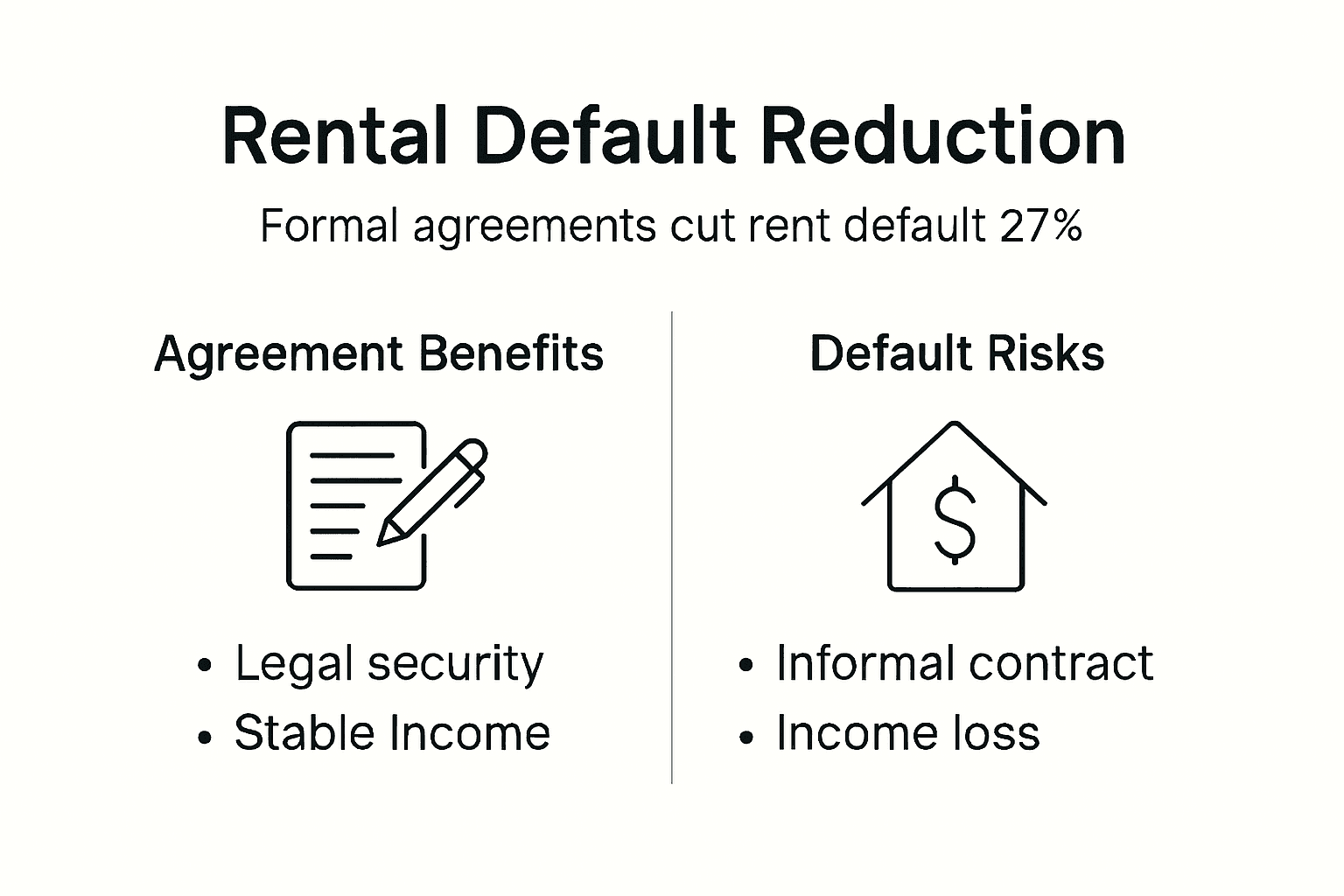
| Legal protection | Formal rental agreements reduce rent default risk by 27% compared to informal arrangements. |
| Mandatory clauses | Portuguese Civil Code requires specific contract terms including duration, rent amount, payment schedules, and renewal conditions. |
| Contract types | Short-term holiday rentals and long-term leases differ significantly in licensing, taxation, and operational requirements. |
| Remote management | Electronic signatures are legally valid in Portugal, enabling efficient contract administration from abroad. |
| Tax compliance | Clear rental agreements facilitate accurate income declaration and prevent disputes with Portuguese tax authorities. |
Introduction to rental agreements in the Algarve
Rental agreements are legally binding contracts defining the rights and obligations between property owners and tenants. Under Portuguese law, written rental contracts are mandatory for all lease arrangements, providing crucial legal protections for international investors who cannot physically oversee their properties daily. This requirement ensures enforceability when disputes arise and establishes clear terms for rental income collection.
The Algarve attracts significant interest from EU investors seeking rental income from holiday homes or long-term residential properties. For these international buyers, formal lease contracts serve as the primary legal instrument protecting rental revenue streams and investment capital. Without proper agreements, landlords face substantial challenges enforcing payment terms, resolving tenant disputes, or proving ownership rights.
Consider these fundamental protections rental agreements provide:
- Legal enforceability of rent payment terms and collection schedules
- Clear definition of property maintenance responsibilities
- Established procedures for contract termination and tenant eviction
- Documentation supporting tax declarations and financial reporting
- Protection against unauthorized property use or subletting
The consequences of operating without proper rental agreements extend beyond immediate financial loss. Investors risk losing legal standing in Portuguese courts, facing penalties for tax non-compliance, and experiencing extended vacancy periods while resolving disputes. Following a comprehensive Portuguese property investment checklist helps ensure all legal requirements are met from the outset.
Legal framework governing rental agreements in Portugal and Algarve specifics
The Portuguese Civil Code articles 1062 through 1104 establish the comprehensive legal framework governing all rental contracts in Portugal. These provisions define minimum contract standards, mandatory clauses, landlord protections, and tenant rights that apply uniformly across the country, including the Algarve region. Understanding this framework prevents costly legal mistakes and ensures your agreements withstand judicial scrutiny.
Portuguese rental agreements must include mandatory clauses covering contract duration, precise rent amounts with payment terms, conditions for contract renewal or termination, and clear identification of both parties with tax numbers. Omitting any mandatory element can render contracts unenforceable or expose landlords to legal penalties. These requirements apply whether you rent to Portuguese nationals or international tenants.
Key legal protections for Algarve landlords include:
- Formal eviction procedures following specified notice periods for non-payment
- Legal mechanisms to enforce rent collection through court orders
- Rights to inspect properties with proper advance notification
- Authority to terminate contracts for breach of terms or property damage
- Protection against tenant claims lacking documentary evidence
The Algarve rental market presents specific considerations within this legal framework. High demand from international tourists and seasonal residents creates opportunities for both short-term holiday rentals and long-term residential leases. However, this international tenant base increases the importance of ironclad contracts, as cross-border legal enforcement becomes more complex if disputes arise.
Legal compliance directly impacts investment security and operational efficiency. Properly structured agreements aligned with Civil Code requirements provide the foundation for reliable rental income and smooth property management. Understanding property investment risks in Portugal helps investors anticipate and mitigate potential legal challenges before they materialize.
Key clauses defining rights and responsibilities of parties
Every rental agreement must clearly articulate the specific obligations and entitlements of both landlords and tenants. These clauses transform abstract legal principles into concrete operational terms governing your investment property. Precision in drafting these provisions prevents misunderstandings and provides clear reference points when addressing tenant concerns or enforcing contract terms.

Contract duration and renewal terms establish the temporal framework for the rental relationship. Specify exact start and end dates, automatic renewal conditions if applicable, and notice periods required for termination by either party. For long-term residential leases, Portuguese law provides tenants with significant renewal rights, making initial term specifications particularly important.
Rent amount clauses must detail the monthly payment, acceptable payment methods, due dates, and penalties for late payment. Include provisions for permissible rent adjustments, typically tied to official inflation indexes or specified annual percentage increases. Clear payment terms reduce collection disputes and support legal enforcement if tenants default on obligations.
Mandatory clauses in rental contracts covering maintenance responsibilities allocate costs and duties between parties. Typically, landlords handle structural repairs and major system maintenance while tenants cover routine upkeep and minor repairs. Specify exactly which party bears responsibility for utilities, property taxes, condominium fees, and insurance costs to prevent future disagreements.
Dispute resolution mechanisms provide structured alternatives to costly litigation. Include clauses requiring mediation or arbitration before court proceedings, designate the jurisdiction for legal disputes, and specify whether Portuguese or tenant’s home country law applies for international renters. These provisions can dramatically reduce conflict resolution costs and timelines.
Pro Tip: Always include detailed photographic property condition reports as contract annexes, documenting the property state at lease commencement. This evidence becomes invaluable when assessing damage claims or security deposit disputes at lease termination.
Understanding rental management importance helps investors appreciate how professional services ensure contract clauses are properly enforced and tenant relationships remain compliant with legal requirements throughout the lease term.
Differences in rental agreements for holiday rentals versus long-term residential leases
The Algarve rental market offers two distinct investment paths: short-term holiday lettings and long-term residential leases. Each requires fundamentally different contractual approaches, regulatory compliance, and operational strategies. Understanding these distinctions enables informed decisions aligned with your investment goals and management capacity.
Short-term holiday rentals require Alojamento Local registration with Portuguese tourism authorities before accepting any bookings. These properties face stricter guest identification protocols, mandatory insurance requirements, and regular inspections. Rental agreements for holiday lets typically span days or weeks, creating higher administrative overhead but potentially superior returns during peak tourism seasons.
| Aspect | Short-Term Holiday Rentals | Long-Term Residential Leases |
|---|---|---|
| Typical Duration | 1 day to 3 months | 6 months to multiple years |
| Licensing | Alojamento Local registration required | Standard rental registration |
| Tax Treatment | Taxed as commercial income with higher rates | Taxed as rental income with deductions |
| Tenant Protections | Minimal, contract flexibility | Strong legal protections, renewal rights |
| Management Intensity | High turnover, constant cleaning, bookings | Stable, quarterly inspections |
Tax treatment diverges significantly between rental types. Short-term holiday income is often taxed at higher commercial rates without the beneficial deductions available for long-term residential rentals. However, holiday rentals typically generate higher gross revenue per night, potentially offsetting the tax disadvantage during high seasons.
Contractual flexibility represents another key distinction. Holiday rental agreements allow rapid adjustment to market conditions, seasonal pricing strategies, and property availability for personal use. Long-term leases provide income stability and reduced operational demands but limit flexibility to adjust terms or reclaim property use for extended periods.
Operational implications extend beyond contract terms. Holiday rentals demand continuous guest communication, frequent property cleaning, linen services, and immediate maintenance response. Long-term leases involve periodic property inspections, annual rent adjustments, and less frequent tenant interactions. Your choice should reflect available time, management resources, and tolerance for operational complexity.
Investor scenarios illustrate these trade-offs. Retirees seeking stable passive income often prefer long-term leases minimizing management demands. Investors with strong local partnerships or professional management services can capture the higher returns from holiday rentals despite increased operational complexity.
Financial and tax implications linked to rental agreements
Rental agreements directly impact your tax obligations and net investment profitability in Portugal. The contract terms you negotiate determine not only gross rental income but also allowable deductions, tax rates applied, and compliance requirements with Portuguese tax authorities. Understanding these financial implications enables accurate investment modeling and prevents unexpected tax liabilities.
Non-resident investors face Portuguese rental income tax rates ranging from 15% to 28% depending on income levels and rental type. Long-term residential rental income qualifies for beneficial tax treatment with deductions for property maintenance, management fees, insurance, and mortgage interest. Short-term holiday rental income typically faces higher tax rates with fewer allowable deductions, though gross yields often exceed long-term rental returns.
Rental agreements must clearly articulate fiscal responsibilities to prevent disputes with tax authorities. Include clauses specifying which party bears responsibility for property taxes, value-added tax on rental income if applicable, and utility costs that may affect deductible expenses. Clear documentation of these terms supports accurate tax declarations and audit defense if questioned.
Key tax considerations affecting investment profitability:
- Allowable deductions for property improvements versus routine maintenance
- Impact of property management fees on net taxable income
- Tax treaty benefits for EU residents investing in Portugal
- Quarterly advance tax payment obligations for rental income
- Penalties for late or inaccurate rental income declarations
Investment profitability calculations must account for these tax impacts. A property generating 12,000 euros annual gross rent might yield only 7,500 to 8,500 euros after taxes, depending on your residency status, applicable deductions, and rental type. Accurate financial modeling requires understanding how rental agreement terms translate into tax obligations and net cash flows.
Pro Tip: Consult Portuguese tax advisors before finalizing rental agreement terms. Strategic decisions about contract duration, rent payment structures, and included services can significantly optimize your after-tax returns while maintaining full legal compliance.
Following a comprehensive Portuguese property investment checklist ensures you address all financial and tax considerations during the property acquisition and rental setup phases.
Common misconceptions about rental agreements in the Algarve
International investors frequently hold dangerous misconceptions about Portuguese rental agreements that lead to legal disputes, income loss, and regulatory penalties. Recognizing and correcting these misunderstandings protects your investment and ensures smooth property operations. Many first-time investors assume rental practices from their home countries apply equally in Portugal, creating significant legal vulnerabilities.
The most costly misconception involves verbal rental agreements. Some investors believe handshake deals or informal email exchanges create enforceable rental arrangements. Portuguese law requires written contracts for all rental agreements, and verbal arrangements have zero legal standing in disputes. Over 40% of rental conflicts traced to informal agreements could have been prevented with proper documentation.
Eviction procedure myths create false confidence about landlord rights. Many investors assume they can immediately evict non-paying tenants or those violating lease terms. Portuguese law mandates specific notice periods, formal legal procedures, and often court involvement before eviction. Attempting unauthorized evictions exposes landlords to substantial legal penalties and tenant damage claims.
Common misconceptions undermining investment success:
- Believing minimal tax obligations exist for occasional or holiday rentals
- Assuming security deposits automatically cover all potential tenant damages
- Thinking property management companies handle all legal compliance automatically
- Expecting immediate possession rights if tenants breach contract terms
- Presuming standard European Union rental laws apply uniformly across Portugal
Tax responsibility myths prove particularly expensive. Some investors believe rental income below certain thresholds escapes taxation or that occasional holiday letting avoids commercial tax rates. Portuguese tax authorities actively monitor rental platforms and tourism registrations, with substantial penalties for undeclared income. All rental revenue requires proper declaration regardless of amount or frequency.
Written contract importance cannot be overstated for legal enforceability and investment protection. Formal agreements provide documentary evidence supporting your positions in disputes, facilitate court proceedings if necessary, and demonstrate good faith compliance with Portuguese legal requirements. Understanding common investment risks in Portugal helps investors avoid these prevalent misconceptions and implement proper legal protections from the start.
Practical tips for international investors managing rental contracts remotely
Managing Algarve rental properties from another country presents unique challenges requiring strategic use of technology and local expertise. Portuguese law accommodates remote property ownership and management through electronic processes and professional service providers. Implementing the right systems transforms geographical distance from liability into manageable operational reality.
Electronic signatures carry full legal validity under Portuguese law for rental agreements and related documents. Digital signature platforms enable contract execution, amendments, and renewals without physical presence in Portugal. This legal recognition allows you to respond quickly to tenant requests, update terms, or sign new agreements from anywhere with internet access.
Top digital tools facilitating remote rental contract management:
- Electronic signature platforms complying with EU eIDAS regulations for legally binding contracts
- Cloud-based property management software tracking lease terms, payment schedules, and renewal dates
- Secure document storage systems maintaining organized records of all rental agreements and amendments
- Digital payment processing ensuring reliable rent collection and automated receipt generation
- Video communication tools enabling remote property inspections and tenant meetings
Retaining local legal counsel provides essential support for contract review and enforcement. Portuguese attorneys familiar with Algarve rental markets can draft or review agreements ensuring legal compliance, represent your interests in disputes, and navigate local court procedures if litigation becomes necessary. This local expertise proves invaluable when cultural or language barriers complicate tenant communications.
Professional property management services handle day-to-day rental operations and compliance requirements. These providers manage tenant screening, contract administration, rent collection, property maintenance, and regulatory reporting. For international investors, property management in Lagos offers comprehensive operational support while you maintain strategic oversight from abroad.
Pro Tip: Combining electronic contract processes with local legal and management expertise creates optimal risk mitigation for overseas investors. Technology handles routine administration efficiently while local professionals provide crucial on-ground presence for complex situations requiring physical intervention or deep market knowledge.
Successful remote management requires accepting certain operational limitations. You cannot personally inspect properties daily or meet tenants face-to-face regularly. Building a reliable local support network compensates for these constraints while allowing you to capture attractive Algarve rental returns without relocating to Portugal.
Conclusion: Maximizing security and returns through sound rental agreements
Comprehensive rental agreements form the cornerstone of successful property investment in the Algarve. These legal instruments protect your capital investment, secure rental income streams, and provide clear frameworks for resolving disputes when they arise. International investors who prioritize proper contract development and management consistently outperform those treating agreements as administrative afterthoughts.
Legal compliance through well-drafted rental agreements ensures smooth property operations and reliable income. The protections these contracts provide far exceed their modest upfront costs, preventing expensive disputes and supporting enforcement actions when tenants breach obligations. Your rental agreement quality directly correlates with investment performance and operational efficiency.
Leveraging expert local services enhances contract enforcement and management effectiveness. Professional property managers, legal advisors, and tax consultants bring specialized knowledge ensuring your agreements align with current Portuguese law while optimizing financial returns. These partnerships prove especially valuable for international investors managing properties remotely.
Armed with understanding of Portuguese rental agreement requirements, legal frameworks, and practical management strategies, you can confidently navigate the Algarve market. Proper preparation and professional support transform rental agreements from legal necessities into strategic assets driving investment success. Following property investment tips for Portugal ensures comprehensive preparation for all aspects of Algarve property ownership.
Secure your Algarve investment with expert rental agreement support
Navigating Portuguese rental agreements requires specialized local knowledge and legal expertise. RIVA Prime provides comprehensive support for international investors, from initial contract drafting through ongoing property management in Lagos and the broader Algarve region. Our team ensures your rental agreements comply with Portuguese law while maximizing investment returns and minimizing operational headaches.

Our services encompass legal coordination, tenant screening, contract administration, and full-service property management tailored for EU investors. We handle the complexities of Portuguese rental regulations so you can focus on building your investment portfolio. Discover how our property investment guidance for EU buyers and understanding of why professional property management matters in Lagos can secure your Algarve investment success. Contact RIVA Prime today for personalized consultation on protecting and growing your Portuguese property portfolio.
Frequently asked questions about rental agreements in the Algarve
Do verbal rental agreements have any legal standing in Portugal?
No, verbal agreements lack legal enforceability under Portuguese law. The Civil Code mandates written contracts for all rental arrangements, making verbal agreements worthless in disputes or legal proceedings. Always insist on formal written contracts with all mandatory clauses properly documented.
What is the typical duration and renewal flexibility of Algarve rental contracts?
Long-term residential leases typically span one to five years with strong tenant renewal rights under Portuguese law. Short-term holiday rentals range from single nights to three months with complete flexibility. Contract duration significantly impacts landlord rights, tax treatment, and operational requirements.
How do electronic signatures function legally under Portuguese rental law?
Electronic signatures conforming to EU eIDAS regulations carry identical legal weight as handwritten signatures in Portugal. Digital contracts are fully enforceable in courts, enabling efficient remote agreement execution. Ensure your electronic signature platform complies with Portuguese and European Union digital signature standards.
What options do landlords have if tenants default on rent payments?
Landlords can pursue formal payment demands, court-ordered rent collection, and ultimately eviction following proper legal procedures. The Civil Code establishes specific notice periods and judicial processes that must be followed. Attempting unauthorized actions like changing locks or removing tenant property exposes landlords to substantial legal penalties.
How should I manage tax declarations related to Algarve rental income?
All rental income requires declaration to Portuguese tax authorities regardless of amount or tenant nationality. Non-resident investors must obtain Portuguese tax identification numbers and file annual returns reporting rental revenue and allowable deductions. Consider retaining Portuguese tax advisors to ensure accurate declarations and optimize legitimate deductions reducing your tax burden.