Evaluating Algarve real estate requires more than browsing listings. International investors often encounter unexpected legal hurdles, hidden renovation costs, and compliance challenges that erode returns. Lagos and the wider Algarve remain highly attractive markets with strong tourism-driven rental demand, yet navigating property evaluation confidently demands a clear, practical step-by-step method. This guide empowers you to assess properties systematically, ensuring smart investment decisions in 2026.
Table des matières
- Introduction To Algarve Real Estate Market
- Prerequisites: What You Need Before Starting Your Evaluation
- Step 1: Analyze Local Market Dynamics And Price Trends
- Step 2: Assess Rental Income Potential
- Step 3: Understand Legal Steps And Compliance Requirements
- Step 4: Estimate Renovation And Total Investment Costs
- Step 5: Conduct Due Diligence And Risk Mitigation
- Common Mistakes In Evaluating Algarve Real Estate
- Expected Outcomes And Timeline To Profitability
- Maximize Your Algarve Investment With Expert Local Support
- FAQ
Key takeaways
| Point | Détails |
|---|---|
| Understand local Lagos market trends and rental demand | Gauge property value and potential returns by analyzing recent price growth and occupancy patterns. |
| Comply with legal requirements including NIF and rental licenses | Avoid fines up to €10,000 by securing necessary tax numbers and short-term rental permits before operations. |
| Estimate full investment costs including hidden fees and renovations | Budget accurately by accounting for transaction fees (7-10% of purchase price) and renovation expenses (€500-€1,200 per sqm). |
| Use professional property management to boost occupancy | Maximize rental income through expert local management that increases occupancy rates by 15-20%. |
| Conduct proper due diligence to verify title and mitigate ownership risks | Prevent costly disputes by checking Land Registry records and fiscal status before purchase. |
Introduction to Algarve real estate market
Lagos stands out in the Algarve property landscape with robust annual price growth of 5-7%, outpacing many neighboring towns. The region’s warm climate, vibrant lifestyle, and thriving tourism sector create consistent rental markets year-round. International connectivity through Faro Airport and superior local amenities make Lagos preferred for holiday and rental investments.
The local market dynamics support both capital appreciation and steady rental income streams. Tourism flows remain resilient, driving occupancy rates above regional averages. Investors benefit from a proven track record of demand stability.
Key advantages of Lagos for real estate investors:
- Superior international connectivity via Faro Airport (40 minutes)
- Established tourism infrastructure with year-round visitor flows
- Higher occupancy rates compared to smaller Algarve towns
- Strong English-speaking expat community and services
- Modern amenities and healthcare facilities
“Lagos combines lifestyle appeal with investment fundamentals. The town offers exceptional rental yields backed by consistent tourism demand, making it ideal for international buyers seeking both capital growth and income generation.”
Understanding these market foundations positions you to evaluate specific properties against realistic benchmarks. The next step involves preparing the essential prerequisites before diving into property analysis.
Prerequisites: what you need before starting your evaluation
Before evaluating any Algarve property, secure foundational requirements that enable legal transactions and informed decisions. Obtaining a Portuguese tax number (NIF) and understanding local laws for foreigners is essential before purchasing. This administrative setup prevents delays and ensures compliance from day one.
Essential prerequisites checklist:
- Secure your NIF (Número de Identificação Fiscal) through Portuguese tax authorities or authorized representatives
- Gain basic knowledge of Portuguese property laws applicable to foreign buyers, including ownership restrictions and taxation
- Prepare finances covering full purchase price plus taxes (IMT and stamp duty), notary fees, and renovation budgets
- Access reliable local market data through property portals, municipal records, and professional advisors
- Engage certified legal and financial professionals familiar with cross-border transactions
Financial preparation extends beyond the asking price. Budget for transaction costs typically totaling 7-10% of purchase value, plus potential renovation expenses. Many investors underestimate these additional outlays, creating cash flow pressure later.
Pro Tip: Open a Portuguese bank account early in your evaluation process. This facilitates smoother transactions, currency transfers, and ongoing property-related payments once you acquire your investment.
Professional advisory becomes invaluable for navigating language barriers and legal complexities. Certified lawyers and tax advisors protect your interests while ensuring compliance with Portuguese regulations. This upfront investment in expert guidance prevents costly mistakes down the road.
With prerequisites handled, you’re ready to systematically analyze market dynamics and price trends specific to your target investment area.
Step 1: analyze local market dynamics and price trends
Systematic market analysis separates successful investments from speculative gambles. Collect and review recent property price indexes for Lagos versus other Algarve areas to identify value opportunities. Lagos outperforms smaller Algarve towns in occupancy rate by 10-15%, with stronger price growth driven by tourism.
Seasonal and annual rental demand cycles directly impact your income projections. Lagos benefits from extended high seasons compared to inland areas, maintaining occupancy through shoulder months. Analyze historical occupancy data from local property management companies to set realistic expectations.
Critical market metrics to track:
- Average price per square meter by neighborhood and property type
- Year-over-year price appreciation rates for comparable properties
- Seasonal occupancy patterns and nightly rate fluctuations
- New construction pipeline that may affect future supply
- Tourism arrival statistics and forward booking trends
| Metric | Lagos | Smaller Algarve Towns | Difference |
|---|---|---|---|
| Annual Price Growth | 5-7% | 3-4% | +2-3% |
| Average Occupancy | 65-75% | 55-65% | +10-15% |
| High Season Length | 6-7 months | 4-5 months | +2 months |
| Airport Proximity | 40 min | 60-90 min | -20-50 min |
Capital appreciation potential stems from sustained demand outpacing supply growth. Lagos’s infrastructure investments, including marina expansions and cultural developments, enhance long-term value prospects. Compare these fundamentals against asking prices to identify undervalued opportunities.
Pro Tip: Request occupancy data from sellers’ property managers if the property was previously rented. Actual performance data proves more reliable than theoretical projections, revealing true income potential and management quality.
Lagos’s superior connectivity via the A22 motorway and proximity to Faro Airport positively impact demand from international visitors. Properties within walking distance of beaches or the historic center command premium rates and occupancy. Location analysis within Lagos itself matters as much as choosing Lagos over alternative towns.
With market dynamics understood, proceed to calculate realistic rental income potential for your target property.
Step 2: assess rental income potential
Rental yield calculations require precision to avoid disappointment. Average rental yields range between 4-8% in Lagos, where professional property management increases occupancy rates by 15-20%. Start by researching comparable properties’ nightly rates across booking platforms during peak, shoulder, and low seasons.
Steps to calculate realistic rental yields:
- Determine average nightly rates for your property type and location across different seasons
- Estimate annual occupancy percentage based on local market data (typically 60-75% for well-managed Lagos properties)
- Calculate gross annual rental income by multiplying average nightly rate by occupied nights
- Subtract operating costs including management fees (20-30%), utilities, maintenance, insurance, and taxes
- Divide net annual income by total investment cost (purchase price plus transaction fees and renovations)
Seasonal fluctuations significantly impact annual income. Lagos enjoys extended high seasons from April through October, with December holiday periods adding supplementary peaks. Budget conservatively by weighting your projections toward shoulder season rates rather than peak summer premiums.
Professional property management transforms rental performance through optimized pricing, multi-channel marketing, and superior guest services. Self-managed properties typically achieve 15-20% lower occupancy due to limited visibility and response times. Management fees represent worthwhile investments when they substantially increase your gross income.
“Professional management doesn’t just fill more nights. Expert managers optimize pricing dynamically, maintain property condition to earn better reviews, and handle guest issues that preserve your reputation and future bookings.”
Use market reports from local property management firms for precise rental income projections. These professionals track actual booking data across hundreds of properties, providing realistic benchmarks. Avoid relying solely on optimistic seller claims or generic online calculators that ignore local nuances.
Accurate income projections inform your maximum purchase price and renovation budget. Understanding earning potential guides negotiation strategy and prevents overpaying for properties that can’t deliver acceptable returns.
Step 3: understand legal steps and compliance requirements
Legal compliance protects your investment and enables legitimate rental operations. Beyond obtaining your NIF, register your property purchase through the Portuguese Land Registry to establish clear ownership. Non-compliance with short-term rental licensing can lead to fines up to €10,000.
Short-term rental operations require specific municipal licenses before accepting guests. Application processes vary by municipality but generally demand proof of ownership, fiscal compliance, safety certifications, and adherence to zoning regulations. Budget 2-4 months for license approval.
Essential legal compliance steps:
- Obtain NIF and appoint a fiscal representative if you spend less than 183 days annually in Portugal
- Register property purchase with Portuguese Land Registry within required timeframes
- Secure Alojamento Local (AL) license for short-term rental operations from local municipality
- Register rental activity with Portuguese tax authorities and maintain proper accounting records
- Comply with tourism tax collection and remittance requirements in your municipality
- Consider Golden Visa program conditions if investing €500,000+ for residency benefits
Golden Visa opportunities exist for qualifying investments, offering residency pathways for you and family members. Real estate investments of €500,000 or more in low-density areas, or €400,000 for properties over 30 years old requiring renovation, meet program thresholds. Consult immigration specialists to understand current requirements and application processes.
Tax obligations extend beyond purchase. Annual property taxes (IMI), rental income taxes, and potential capital gains taxes upon sale require proper planning. Engage Portuguese tax advisors to optimize your structure and ensure timely filings.
Compliance may seem burdensome, but it safeguards your ability to operate legally and protects property value. Unlicensed rentals face closure orders, fines, and difficulty selling to informed buyers. Investment in proper legal setup pays dividends through uninterrupted operations and peace of mind.
Step 4: estimate renovation and total investment costs
Accurate cost estimation prevents budget overruns that destroy returns. Typical renovation costs range between €500-€1,200 per square meter, and transaction fees add 7-10% beyond purchase price. Older properties or those requiring structural updates fall toward the higher end of renovation ranges.
Transaction fees in Portugal include IMT property transfer tax (0-8% depending on property value and type), stamp duty (0.8%), notary fees, and legal costs. These collectively add significant expense beyond the asking price. Foreign buyers often overlook these mandatory costs, creating funding gaps at closing.
Complete investment cost breakdown:
| Cost Category | Gamme typique | Notes |
|---|---|---|
| Purchase Price | Variable | Negotiated amount |
| IMT Transfer Tax | 0-8% | Varies by property value and use |
| Droit de timbre | 0.8% | Applied to purchase price |
| Notary & Legal Fees | 1-2% | Professional service costs |
| Renovation (if needed) | €500-€1,200/sqm | Depends on scope and finishes |
| Furniture & Equipment | €10,000-€30,000 | For rental-ready condition |
| Contingency Reserve | 10-15% | Unforeseen expenses |
Renovation scope varies dramatically based on property condition. Cosmetic updates like painting and new fixtures occupy the lower cost range. Structural work, plumbing and electrical upgrades, or kitchen and bathroom replacements push costs higher. Always obtain multiple contractor quotes and add contingency for unexpected discoveries.
Pro Tip: Schedule professional property inspections before purchase to identify hidden issues like moisture damage, electrical code violations, or structural concerns. Spending €500-€1,000 on inspections can save tens of thousands by revealing problems before you commit.
Maintenance and operational expenses continue post-purchase. Budget for annual property taxes, insurance, utilities during vacant periods, routine maintenance, and property management fees. These ongoing costs reduce net rental income and must factor into ROI calculations.
Compare total investment costs against projected rental income to calculate realistic yields. Properties requiring extensive renovation may offer lower purchase prices but deliver similar or worse returns once all costs are factored. Sometimes paying a premium for turnkey properties makes better financial sense.
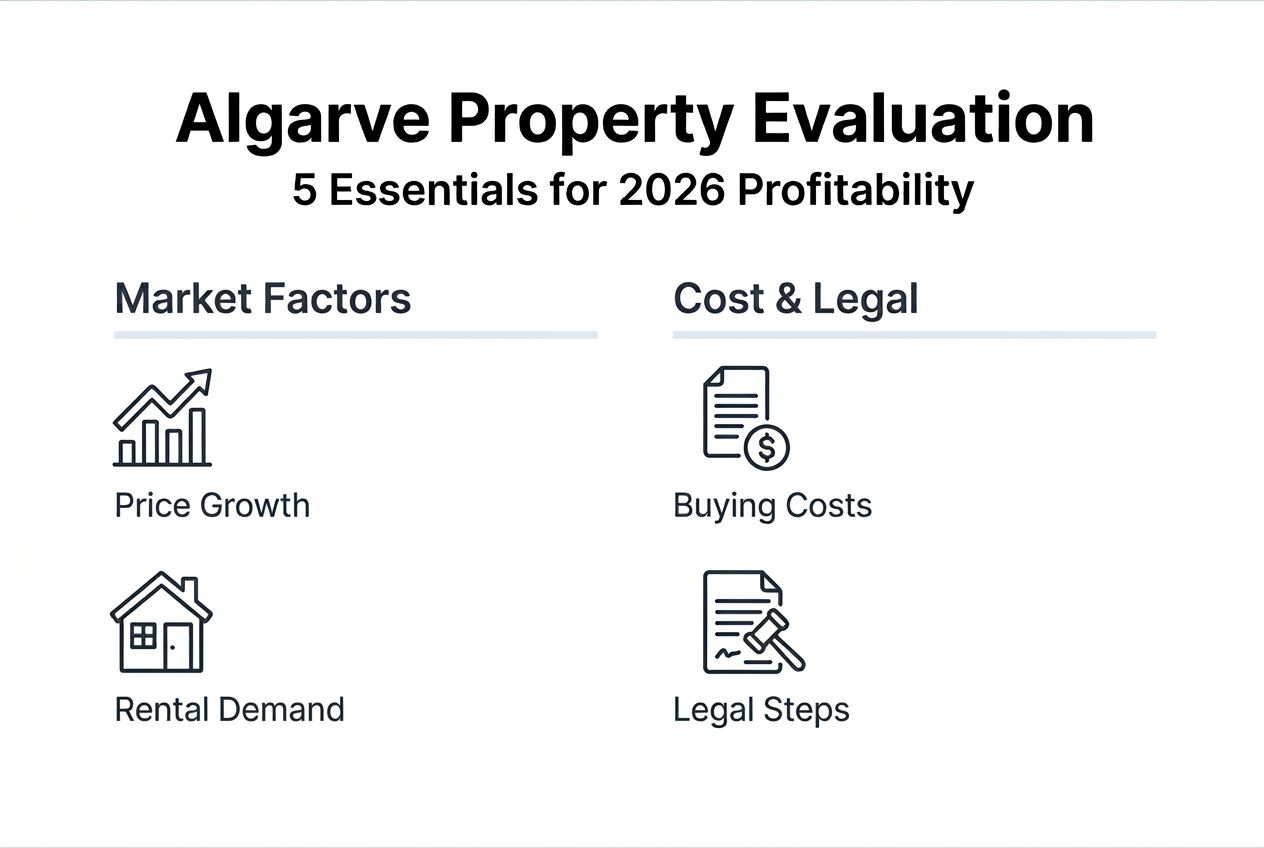
Step 5: conduct due diligence and risk mitigation
Thorough due diligence protects against ownership disputes, hidden liabilities, and costly surprises. Using the Portuguese Land Registry to verify title and fiscal status helps prevent ownership disputes and taxation issues. Request official property records showing clear title, ownership history, and any registered encumbrances.
Fiscal status checks with Portuguese tax authorities reveal unpaid property taxes or outstanding debts attached to the property. These liabilities transfer to new owners unless resolved before purchase. Certified lawyers conduct these searches as part of standard conveyancing services.
Critical due diligence checklist:
- Verify property ownership and title via official Land Registry (Conservatória do Registo Predial) records
- Check fiscal status with Portuguese tax authorities for unpaid IMI taxes or liens
- Confirm rental licenses are valid, current, and transferable to new ownership
- Review zoning compliance and ensure property use matches your investment plans
- Inspect physical condition through qualified building surveyors to identify structural or systems issues
- Validate all seller claims about rental history, income, and occupancy with documentation
Rental license verification becomes essential if you plan continuing short-term operations. Some licenses attach to specific operators rather than properties, requiring new applications upon ownership transfer. Clarify this status before closing to avoid operational gaps.
Zoning requirements determine permissible uses. Properties in residential zones may face restrictions on short-term rentals depending on municipal regulations. Confirm your intended use aligns with current zoning and licensing frameworks before committing funds.
Engage certified legal professionals familiar with Portuguese property law and foreign buyer transactions. These experts identify risks, negotiate protections, and ensure proper documentation. Their fees represent insurance against far more expensive problems that uninformed buyers encounter.
Comprehensive due diligence takes 4-8 weeks but provides confidence in your investment. Rushing this process to meet arbitrary deadlines invites preventable disasters. Patient, thorough verification separates successful investments from regrettable mistakes.
Common mistakes in evaluating Algarve real estate
Avoiding frequent investor errors protects your capital and optimizes returns. Underestimating renovation costs and ignoring rental compliance are among the most common and costly mistakes. Many buyers focus exclusively on purchase price while neglecting the total investment required to generate income.
Top mistakes to avoid:
- Failing to include renovation, transaction fees, and furniture costs in total investment calculations, leading to budget shortfalls
- Non-compliance with short-term rental licensing laws, risking fines, rental suspension, and difficulty selling
- Skipping thorough market research, resulting in unrealistic rental income expectations and poor location choices
- Neglecting professional property management despite its proven impact on occupancy and guest satisfaction
- Overlooking seasonal occupancy variations and budgeting based on peak-season rates year-round
- Accepting seller claims about rental income without verifying actual historical performance data
Unrealistic income projections doom investments from the start. Sellers often present best-case scenarios or outdated performance data. Independent verification through local property managers and booking platform research reveals true earning potential.
Pro Tip: Always model your investment using conservative assumptions for occupancy (60% rather than 80%) and average rates (shoulder season rather than peak). If the numbers work under pessimistic scenarios, you’ve found a resilient investment. If success depends on perfect conditions, walk away.
Self-management temptation grows when investors see management fees consuming 20-30% of gross income. However, professional managers typically generate enough additional revenue through higher occupancy and rates to more than offset their fees. The net income difference favors professional management in most cases.
Location choices within Lagos matter enormously. Properties distant from beaches, the marina, or historic center struggle with occupancy regardless of quality. Proximity to attractions and walkability determine rental performance more than interior finishes. Prioritize location over cosmetic appeal when forced to choose.
Learning from others’ mistakes costs nothing. Implementing these lessons protects your investment and accelerates your path to profitability.
Expected outcomes and timeline to profitability
Realistic expectations prevent disappointment and inform sound investment decisions. Positive net rental income typically begins 6-12 months after purchase, with well-managed properties meeting expected ROI benchmarks. Initial months involve setup costs, property preparation, licensing, and building booking momentum.
Typical holiday rental ROI benchmarks in Lagos range from 4-8%, depending on purchase price, renovation costs, occupancy rates, and management quality. Properties at the lower end of the price spectrum with minimal renovation needs and professional management tend toward higher yields. Luxury properties with premium purchase prices often deliver lower percentage returns despite higher absolute income.
Timeline to positive cash flow:
- Months 1-3: Property acquisition, renovation, licensing, and setup
- Months 4-6: Initial bookings and reputation building through reviews
- Months 7-12: Occupancy stabilization and income growth as visibility increases
- Month 12+: Consistent positive net cash flow with optimized operations
Effective property management significantly enhances occupancy and profitability through dynamic pricing, professional photography, multi-platform distribution, and responsive guest services. Managers with established reputations and extensive booking networks accelerate your property’s market entry and income generation.
Ongoing market monitoring helps sustain returns as conditions evolve. Tourism trends, competitive supply, regulatory changes, and economic factors influence performance. Successful investors adapt pricing, marketing, and property improvements based on market feedback.
“Real estate investment is not passive income despite popular myths. Active management, whether by you or professionals you hire, determines whether your property merely breaks even or generates substantial returns. Choose your management approach carefully.”
Compliance maintenance protects your ability to operate continuously. Regulatory frameworks evolve, requiring periodic license renewals, safety updates, and administrative filings. Staying current prevents operational interruptions that damage income and reputation.
Patience during the initial ramp-up period pays dividends. Properties need time to accumulate reviews, optimize pricing, and establish market presence. Investors who panic during slower initial months often make poor decisions like excessive rate cuts that permanently devalue their properties.
Maximize your Algarve investment with expert local support
Navigating Algarve real estate successfully demands local expertise and proven systems. Evaluating properties, managing legal compliance, and optimizing rental operations become significantly easier with professional guidance. Expert property management in Lagos boosts rental occupancy and income while you enjoy passive returns.
RIVA PRIME facilitates your investment journey through comprehensive market analysis, legal support, and full-service property management tailored for international investors. Our local knowledge helps you identify undervalued opportunities and avoid costly mistakes. Understanding how to buy Algarve property for investment becomes straightforward with expert guidance.
Explore portfolio diversification strategies that spread risk and maximize returns across multiple Algarve properties. Our team handles everything from property sourcing to daily rental operations, providing transparent reporting and reliable income. Let us help you build a profitable Algarve real estate portfolio in 2026.
FAQ
What is the average rental yield for Algarve holiday homes?
Rental yields in Lagos typically range from 4% to 8%, influenced by property location, purchase price, occupancy rates, and management quality. Well-located properties near beaches or the historic center with professional management consistently achieve higher yields. Effective management and strict compliance boost both occupancy and net rental income significantly.
What legal requirements must foreign buyers meet in Portugal?
Foreign buyers must obtain a Portuguese tax number (NIF), register their property transaction with the Land Registry, and secure Alojamento Local licenses before renting short-term. Non-EU buyers may need to appoint a fiscal representative if spending less than 183 days annually in Portugal. Understanding and adhering to these regulations helps avoid fines up to €10,000 and operational disruptions.
How long does it take to see positive rental cash flow in Algarve?
Positive net rental income usually begins 6 to 12 months after purchase, depending on renovation timelines, licensing processes, initial occupancy rates, and seasonal timing of your launch. Properties purchased and launched before high season (April-October) typically achieve positive cash flow faster. Proper management, competitive pricing, and compliance significantly accelerate this timeline.
Should I manage my Algarve rental property myself or hire professionals?
Professional property management in Lagos increases occupancy rates by 15-20% compared to self-management, typically generating enough additional revenue to offset management fees of 20-30%. Managers provide local presence, 24/7 guest support, dynamic pricing optimization, and multi-platform marketing that self-managers struggle to match. Unless you live locally and have hospitality experience, professional management usually delivers superior net returns.
What are the biggest hidden costs when buying Algarve real estate?
Transaction fees including IMT transfer tax, stamp duty, notary and legal fees total 7-10% of purchase price, catching many buyers unprepared. Renovation costs ranging from €500-€1,200 per square meter add substantially to total investment, especially for older properties. Ongoing expenses like property taxes, insurance, maintenance, and management fees reduce net rental income and must factor into ROI calculations from the start.