
Sifting through endless property listings in Lagos can quickly turn from exciting to overwhelming without a clear game plan. For many European investors and expatriates, aligning property choices with personal financial goals is what separates success from frustration. This guide highlights how defining your objectives, understanding local trends, and seeking reliable management and legal support are the keys to securing profitable, hands-off vacation rentals in the heart of the Algarve.
Table des matières
- Step 1: Assess Your Investment Goals
- Step 2: Secure Financing and Set a Budget
- Step 3: Select the Ideal Algarve Property
- Step 4: Navigate Legal Checks and Documentation
- Step 5: Finalize the Purchase and Prepare for Management
Quick Summary
| Key Takeaway | Explanation |
|---|---|
| 1. Define your investment goals | Clearly outline whether you seek rental income, property appreciation, or lifestyle benefits before shopping for properties. |
| 2. Establish a realistic budget | Calculate all associated costs including down payment, renovations, and ongoing management fees to avoid financial strain. |
| 3. Choose the right property type | Align your property choice with your investment strategy, considering factors like rental history and neighborhood demand. |
| 4. Conduct thorough legal checks | Hire a qualified lawyer to confirm property ownership, tax compliance, and to verify all necessary permits before purchase. |
| 5. Prepare for effective management | Set up property management processes and ongoing maintenance plans to ensure smooth operations and positive returns. |
Step 1: Assess Your Investment Goals
Before you start scrolling through property listings in Lagos, you need to get clear on why you’re investing. Your investment goals act as a compass for every decision that follows, from which neighborhood to target to how much you’re willing to spend. Without this clarity, you’ll chase opportunities that don’t actually serve your financial objectives.
Start by honestly answering what matters most to you. Are you buying primarily for rental income from holiday lettings, or are you banking on property appreciation over time? These aren’t the same strategy. A property that generates strong monthly returns from vacation rentals in Lagos might look different from one you’re holding purely for long-term capital growth. You might also be thinking about this as a lifestyle investment—owning a beautiful home where you and your family vacation, with rental income supplementing the experience. All three approaches are valid, but they require different property types, locations, and management approaches.
Your answers should shape these key considerations:
- Rental yield expectations: What annual return on your investment are you targeting? If you want aggressive rental income, waterfront properties in the heart of Lagos typically command higher nightly rates. If you’re comfortable with lower yields for appreciation potential, emerging neighborhoods might offer better value.
- Capital appreciation timeline: Are you planning to hold this property for 5 years, 10 years, or indefinitely? The Algarve market shows different growth patterns depending on local development and European demand trends.
- Risk tolerance: Are you prepared to handle periods where vacation rentals slow down seasonally, or do you need consistent, predictable returns?
- Currency and inflation concerns: As a European investor, you’re managing exposure to exchange rate fluctuations. Some investors use real estate as a hedge against inflation; others see it as a diversification play.
Research into local market trends and economic stability will directly inform what’s realistic for your goals. Lagos has distinct advantages for vacation rentals—consistent tourism demand, favorable tax frameworks for non-resident property owners, and proximity to European markets. But seasonal fluctuations are real. Understanding these patterns helps you set expectations that won’t disappoint.
Consider also how this investment fits into your broader financial picture. Are you using this to diversify away from stocks or bonds? Do you need active management, or would you prefer hands-off ownership? Riva Prime handles property management remotely, which matters if you’re based outside Portugal and want to eliminate the operational headaches of coordinating with contractors or managing tenant communications across time zones.
The clearest investment decisions come from matching your financial goals with the specific advantages Lagos offers—not from chasing what sounds profitable in theory.
Don’t skip the research into local economy and rental market dynamics either. A property in a location with strong year-round tourism demand behaves differently from one in a more seasonal pocket. Similarly, understanding climate resilience and property features that appeal to renters helps you avoid properties that might struggle during off-season months or attract lower-quality bookings.
One practical step: Write down your top three financial objectives for this investment, then rank them. If generating €20,000 annually in rental income ranks higher than property appreciation, your property selection strategy shifts. If protecting your capital and achieving modest steady returns matters most, you’ll look at different entry points and financing options. This simple exercise prevents you from being swayed by flashy listings that don’t actually align with your priorities.
Conseil de pro : Create a simple spreadsheet comparing your investment goal scenarios—one property focused on rental yield, another on appreciation potential—and run basic numbers for each to see which aligns with your actual financial objectives and risk comfort level.
Here’s a comparison of typical property investment goals in Lagos and how they impact your strategy:
| Investment Goal | Type de propriété | Ideal Location | Management Approach |
|---|---|---|---|
| Rental income | Modern apartment, villa | Waterfront, town center | Professional or self-managed |
| Capital appreciation | Townhouse, emerging area | Up-and-coming neighborhoods | Hands-off or long-term hold |
| Lifestyle investment | Villa, beachfront home | Scenic or central spots | Hybrid with seasonal rentals |
Step 2: Secure Financing and Set a Budget
Now that you know your investment goals, it’s time to get serious about the money side. Securing financing and setting a realistic budget prevents you from falling in love with a property you can’t actually afford, and it gives you credibility when making offers. Your budget isn’t just about purchase price—it’s about understanding the total financial commitment involved in owning and managing a vacation rental property in Portugal.

Start by determining how much capital you can invest upfront without straining your personal finances. Most European investors purchasing in the Algarve work with a mix of cash and financing. Portuguese banks and some international lenders offer mortgage products to non-resident investors, though terms and interest rates vary. You’ll typically need between 20 to 40 percent down payment to qualify for favorable loan terms, depending on the lender and your financial profile. Before approaching a lender, get your own finances organized. Calculate your current net worth, gather recent bank statements, and review your credit situation. Lenders want to see stable income, manageable debt levels, and genuine reserves beyond the down payment.
Your budget should account for far more than the purchase price:
- Down payment and closing costs: Budget 25 to 35 percent of the purchase price for down payment plus an additional 7 to 10 percent for legal fees, transfer taxes, registration, and bank charges.
- Renovation and furnishing: Even move-in-ready properties often need updates to attract premium rental rates. Allocate 10 to 20 percent of purchase price for kitchen upgrades, bathroom refreshes, outdoor improvements, and quality furnishings that withstand frequent guest use.
- Property management and maintenance: If using a professional management company like Riva Prime, expect to pay 20 to 30 percent of gross rental income for services including marketing, guest communication, cleaning coordination, and maintenance supervision.
- Annual operating expenses: Property taxes, insurance, utilities (even when vacant), internet, and contingency reserves for unexpected repairs typically run 15 to 25 percent of annual rental revenue.
- Currency reserves: As a European investor earning in euros but potentially managing cash flow across markets, keep a buffer for exchange rate fluctuations and seasonal income gaps.
Don’t underestimate the seasonal nature of Lagos tourism. Summer months generate strong occupancy and nightly rates, but winter and shoulder seasons require competitive pricing to fill calendars. A property generating €25,000 in July might bring only €8,000 in February. Your budget must accommodate this reality without forcing you to lower standards or overextend yourself financially.
When evaluating financing options, compare terms carefully. Interest rates, loan duration, prepayment penalties, and currency clauses all affect your true cost of borrowing. Some international investors choose Portuguese financing for the potential tax advantages and local market knowledge, while others prefer their home country bank’s familiar terms. You can explore property investment financing options to understand how professional support structures these decisions.
Set a maximum purchase price and stick to it. This number should reflect your down payment capacity, desired loan-to-value ratio, and ability to cover all operating expenses while still achieving your target returns. If your analysis shows that achieving your rental yield goals requires purchasing at €500,000 but you can only comfortably finance €400,000, that’s valuable clarity. Don’t stretch into a higher price range hoping future appreciation or higher-than-projected rental rates will save you.
Your budget is your financial boundary, not a suggestion—it protects you from overleveraging and keeps your investment aligned with your actual capacity.
Consider also the tax implications of your financing structure. How you hold the property (personal name, corporate entity, or trust structures) and how you finance it affects your tax obligations in Portugal and potentially your home country. This is where working with qualified professionals matters. Portuguese tax law offers non-resident investors specific advantages, but you need to structure your purchase and financing to capture them.
One overlooked element: build in psychological breathing room. If your analysis shows you can afford a €450,000 property and still hit your return targets, but doing so leaves you with no margin for error, consider targeting €400,000 instead. Real estate investing isn’t about maximizing leverage—it’s about building assets that perform predictably over years.
Conseil de pro : Get pre-approval from at least two lenders before house hunting to understand your actual borrowing capacity and compare terms, then set your budget 10 to 15 percent below your maximum approved amount to maintain financial flexibility for unexpected expenses or strategic opportunities.
For quick reference, here’s a summary of major cost categories to plan for when investing in Algarve real estate:
| Cost Category | Estimated Range | Typical Frequency |
|---|---|---|
| Down payment | 20-40% of purchase price | One-time, at purchase |
| Closing costs | 7-10% of purchase price | One-time, at purchase |
| Renovation & furnishing | 10-20% of purchase price | One-time, upfront |
| Management fees | 20-30% of rental income | Ongoing, annual |
| Annual expenses | 15-25% of rental income | Ongoing, annual |
| Accountant/tax filing | €300-€600 per year | Annual |
Step 3: Select the Ideal Algarve Property
With your investment goals clear and your budget set, it’s time to find the actual property. Selecting the right Algarve home isn’t just about falling for a beautiful view—it’s about choosing a property that aligns with your financial objectives, attracts reliable renters, and appreciates over time. This step requires balancing emotion with analysis.
Start by identifying which property type matches your investment strategy. Are you targeting a modern apartment in Lagos town center for maximum rental income from holiday lettings, or a standalone villa with a pool and outdoor space that commands premium nightly rates? Perhaps you’re considering a traditional townhouse in an emerging neighborhood positioned for long-term appreciation. Different property types generate different returns. Modern apartments typically fill faster during peak season because travelers prefer amenities and minimal maintenance. Villas with pools attract families willing to pay higher rates, but they require more maintenance and management attention. Understanding different property investment types for Algarve buyers helps you narrow your search to categories that truly serve your objectives rather than chasing every listing that looks appealing.
Location within Lagos matters dramatically. Waterfront or historic center properties command premium pricing and nightly rates, but they’re also fully saturated during high season and face intense competition. Properties one or two blocks back from the waterfront often deliver better yield because they cost 20 to 30 percent less while still attracting solid rental demand. Proximity to beaches, restaurants, and attractions influences rental appeal, but so does parking availability, noise levels, and the character of your immediate neighbors. A property on a quiet street overlooking a garden might rent for less per night than beachfront units, but it attracts families seeking relaxation over party atmosphere, leading to better reviews and repeat bookings.
Evaluate these critical factors when comparing properties:
- Rental history and comparable rates: If the property is already a rental, review booking calendars and nightly rates from the past two years. What occupancy percentage did it actually achieve? What rates did it command during shoulder seasons? Compare these to similar properties in the area to understand realistic revenue potential, not marketing hype.
- Physical condition and hidden costs: Get a thorough inspection before making an offer. Portuguese properties sometimes hide significant issues. Old plumbing, electrical systems needing upgrade, or structural issues can consume your renovation budget quickly. Factor in realistic repair costs, not just cosmetic updates.
- Rental management requirements: Does the property’s layout and amenities attract hands-on guests who need constant communication, or does it appeal to independent travelers? Some properties naturally require less management attention. Corner apartments with separate entrances often work better than traditional urban flats where noise complaints become problematic.
- Seasonal demand patterns: Research booking patterns for similar properties in that specific location. Some neighborhoods attract year-round tourism demand, while others spike heavily in summer and struggle November through March. Your budget must accommodate these realities.
- Local development pipeline: What’s being built nearby? New hotels, shopping centers, or major renovations can increase property values but also introduce competition or change neighborhood character. Talk with locals and check municipal development plans.
Don’t skip the neighborhood visit. Spend time there during different times of day and seasons if possible. Walk around at night. Eat at nearby restaurants. Talk with property managers and other rental owners. You’ll gain intuition about whether this pocket of Lagos genuinely appeals to your target renter profile.
The best investment property isn’t the prettiest one—it’s the one generating strong returns with predictable tenant demand and manageable operational complexity.
When you find properties meeting your criteria, request detailed documentation. Get copies of recent utility bills to understand operating costs, rental agreements from recent bookings to verify income claims, and maintenance records showing what systems have been recently upgraded. Many sellers optimize properties for sale without addressing underlying issues. You want facts, not marketing narratives.
Price negotiation matters in this market. Properties are often listed above realistic market value, and successful investors negotiate 8 to 15 percent below asking price. Your inspector’s report becomes leverage here. If repairs are needed, use concrete estimates to justify lower offers. Compare your target property to recent sales (not current listings) to understand actual market value. Real estate agents have this data and can guide realistic offers.
Make your decision systematically. Create a simple spreadsheet comparing your top three candidates on key metrics: purchase price, estimated annual rental revenue, operating expenses, expected appreciation rate, and management complexity. Run the numbers. The property that looks best visually often underperforms the one that makes sense mathematically.
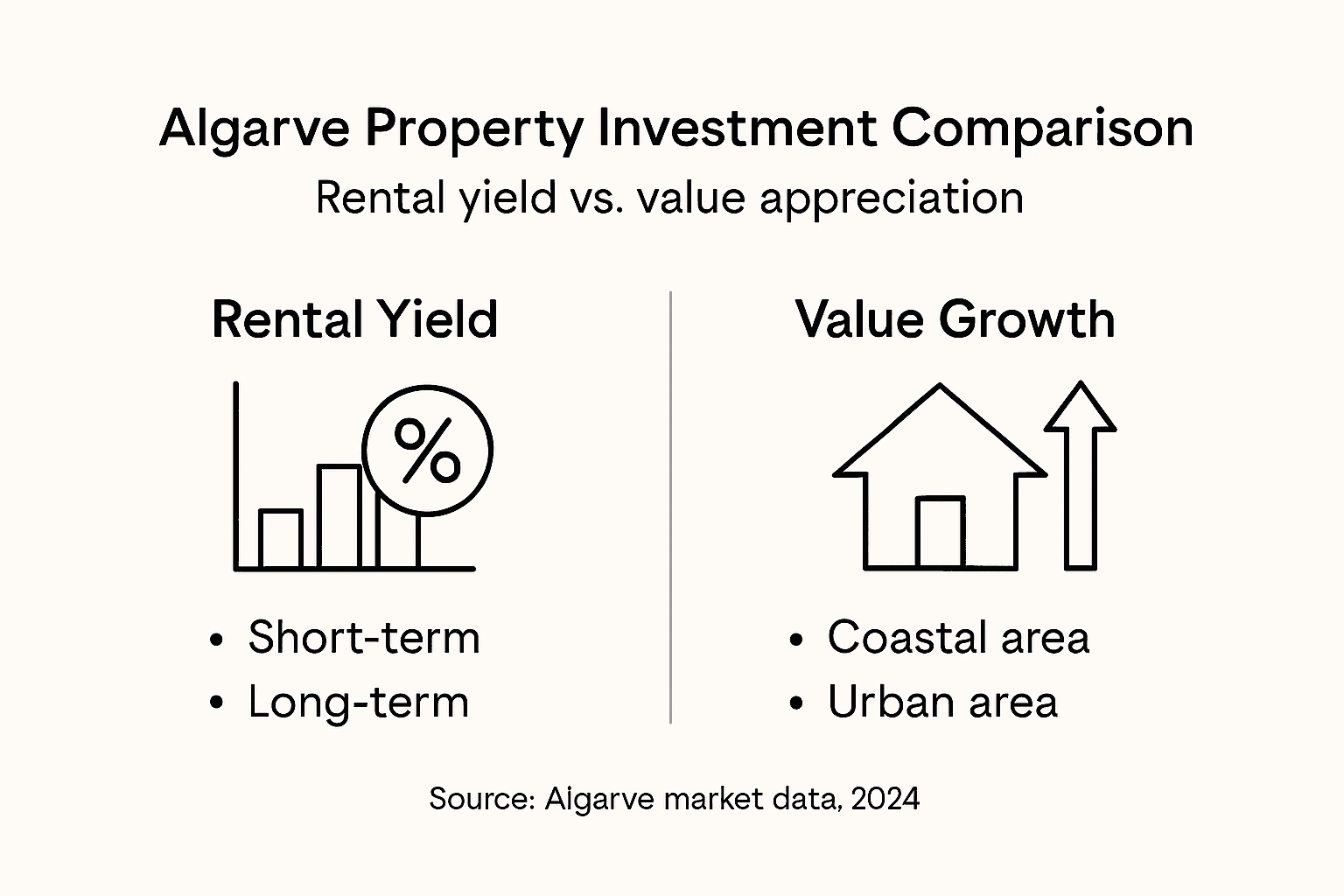
Conseil de pro : Before committing to a property, contact two independent vacation rental management companies for detailed revenue projections based on the property’s specifications and location—their estimates often reveal whether a property’s income potential matches the seller’s claims.
Step 4: Navigate Legal Checks and Documentation
This step separates serious investors from those who learn hard lessons later. Legal checks and proper documentation protect your investment, ensure tax compliance, and prevent costly surprises after you’ve already signed. In Portugal, the legal framework for property ownership is straightforward, but it differs from what you’re likely familiar with in your home country. Understanding the process and working with qualified professionals keeps you moving forward confidently.
Start by hiring a qualified Portuguese lawyer who specializes in real estate transactions. This isn’t optional—it’s essential. Your lawyer reviews all documents, conducts due diligence on the property, and represents your interests throughout the purchase process. They’ll verify that the seller actually owns the property and has the right to sell it. They’ll confirm there are no outstanding debts, liens, or legal disputes attached to the property. They’ll also ensure all permits and certifications are in order. A good lawyer costs between €1,500 to €3,000 for a straightforward transaction, money that pays for itself many times over by catching problems before they become expensive.
Key legal checks your lawyer must complete include:
- Property registration verification: Confirm the property is properly registered at the Portuguese Land Registry (Conservatória do Registo Predial) and that the seller’s ownership is clear and unencumbered. A property with unclear title or disputed ownership claims can trap you in years of litigation.
- Tax compliance review: Verify the property has no unpaid property taxes or municipal debts. Any outstanding debts transfer to you as the new owner, so your lawyer needs to obtain a formal certificate confirming all taxes have been paid.
- Building permits and certificates: For properties with renovations or modifications, confirm that appropriate permits were obtained and work was inspected. Illegal renovations can force you to undo work or face fines. Obtain a Certificate of Energy Efficiency, which is legally required for all sales.
- Rental licensing compliance: If you’re purchasing an existing rental property, verify it complies with local tourism authority regulations. Different municipalities have different rules about short-term rentals. Some neighborhoods require specific licenses or have restrictions on vacation lettings. Non-compliance can result in fines or forced cessation of rental activity.
- Structural and environmental assessments: Commission an independent structural inspection and environmental assessment. Portuguese buildings sometimes contain asbestos or other hazardous materials. You need to know about these issues before purchasing, not after.
Your lawyer will also advise on the optimal legal structure for ownership. Should you purchase as an individual, create a Portuguese company, or use a trust structure? Different approaches have different tax implications both in Portugal and your home country. Non-resident investors often benefit from specific tax provisions, but you must structure your purchase correctly to access them. This is where professional guidance becomes invaluable.
During the documentation phase, you’ll encounter several key documents. The promissory contract (contrato de promessa) is a preliminary agreement outlining terms, price, and conditions. It’s legally binding and typically requires a deposit of 10 to 20 percent. The final deed of sale (escritura) is the definitive legal document transferring ownership. This happens at a notary’s office with both parties present. The transfer tax (Imposto Municipal sobre Transmissões Onerosas de Imóveis, or IMT) is calculated and paid based on the property’s tax value, which may differ from purchase price.
Expect the legal process to take 60 to 90 days from offer acceptance to final deed signing. During this period, your lawyer conducts due diligence, arranges financing (if applicable), and prepares all documentation. Don’t rush this phase. Taking time to verify everything protects you far more than saving a few weeks.
Legal corners cut during purchase often resurface as expensive problems after you own the property—issues that could have been resolved for a fraction of the eventual cost.
One often-overlooked element: verify the rental licensing status before purchase. Some municipalities in the Algarve have implemented restrictions on short-term vacation rentals. Lagos, where you’re likely targeting properties, does allow vacation lettings but has specific registration requirements. Your lawyer must confirm the property complies with current regulations and, if necessary, help you obtain proper licensing before you begin accepting guests.
Also discuss tax planning with both your Portuguese lawyer and your home country tax advisor. Non-residents face different tax obligations than Portuguese residents. Rental income, capital gains, and property holding require careful structuring to minimize unnecessary tax burden while remaining fully compliant. Many investors make structuring decisions at purchase that they regret years later because they didn’t understand the tax implications upfront.
Finally, obtain copies of everything. You should receive the final deed, certificates, inspection reports, and all correspondence. Store these securely. These documents are your proof of ownership and become essential if you later sell, refinance, or need to make insurance claims.
Dica profissional: Request a detailed written summary from your lawyer outlining every document reviewed, every check performed, and any issues found before you sign the final deed—this creates a clear record of your due diligence and protects you if any problems emerge after purchase.
Step 5: Finalize the Purchase and Prepare for Management
You’re in the home stretch. Finalizing the purchase means completing all remaining paperwork, transferring funds, and officially becoming the owner. Then comes the critical transition into management mode—preparing your property to generate returns from day one. This step transforms your investment from a concept into an operational asset.
In the final weeks before closing, coordinate with your lawyer, lender (if applicable), and the seller’s agent to confirm the timeline. The final deed signing (escritura) happens at a notary’s office, typically in person but sometimes with a power of attorney if you cannot travel to Portugal. At this meeting, you’ll verify all details one last time, sign documents, and receive your ownership certificate. The notary handles the official registration with the Portuguese Land Registry and manages the transfer tax payment. After signing, the property is legally yours.
Before closing day, complete these final preparations:
- Final walkthrough: Visit the property one last time to verify the agreed-upon condition, that promised repairs were completed, and that the seller removed personal items as promised. Take photographs and note any discrepancies immediately. This is your last chance to identify issues before funds transfer.
- Utilities and services transfer: Arrange for water, electricity, gas, and internet to transfer into your name. Start these processes 2 to 3 weeks before closing so service isn’t interrupted. You’ll need the new account details for property management purposes.
- Insurance procurement: Obtain property insurance before taking possession. Portuguese properties with mortgages require insurance, but even without financing, coverage protects against fire, theft, and liability. Notify your insurer of any planned rental activity, as standard homeowner policies don’t cover vacation lettings.
- Banking arrangements: Set up a Portuguese bank account if you don’t already have one. This simplifies rental income collection, tax payments, and property expense management. Many banks offer accounts designed for foreign property investors.
- Tax registration: Register with Portuguese tax authorities (Autoridade Tributária) as a non-resident property owner. You’ll receive a tax identification number (NIF) needed for all tax filings, utility accounts, and insurance. Your lawyer typically handles this, but confirm it’s completed.
Once you officially own the property, management begins immediately. Whether you’re using a professional management company or handling operations yourself, the first priority is preparing the property for guests. If you’re purchasing an existing rental, you’re likely inheriting the previous management approach. Consider whether that strategy aligns with your return targets. Many investors find that upgrading décor, improving photographs, or adjusting pricing strategies increases occupancy and revenue within the first season.
If this is your first rental property, understanding how to structure effective property management keeps operations smooth and stress-free. Professional management companies handle guest communication, booking coordination, cleaning, maintenance supervision, and emergency response. They typically charge 20 to 30 percent of gross rental income, money well spent if it eliminates the headaches of managing a property remotely across time zones and language barriers.
Set up accounting and financial tracking immediately. Track every expense—utilities, cleaning supplies, repairs, property management fees, insurance. These are tax-deductible business expenses that reduce your taxable rental income. Use accounting software or work with a Portuguese accountant to maintain organized records. Annual tax filings require detailed documentation of income and expenses, so establishing good habits from day one prevents scrambling come tax season.
Create a maintenance plan listing routine tasks and their schedules. When do AC units need servicing? How often should pools be cleaned and maintained? What seasonal preparations does the property require? Document everything. Assign responsibilities clearly, whether you’re managing personally or delegating to a management company. Properties that receive consistent preventive maintenance appreciate better and generate fewer emergency repairs.
The difference between a property that generates strong returns and one that merely breaks even often comes down to management quality during the first year—decisions made now establish patterns that persist for years.
During your first rental season, monitor performance closely. How quickly are bookings filling? Are nightly rates holding as projected? What feedback are guests providing? Use this real-world data to make refinements. Perhaps the property photographs need updating. Maybe pricing adjustments during shoulder seasons would improve occupancy. Perhaps minor upgrades to specific amenities would justify higher rates. Small adjustments informed by actual guest experience often yield disproportionate returns.
Schedule regular check-ins with your management company or maintenance contact to review operations. Are cleaning standards meeting your expectations? How quickly are maintenance requests being addressed? Is guest communication happening promptly? Regular oversight prevents small issues from becoming expensive problems.
Finally, plan ahead for tax obligations. Non-resident property owners in Portugal must file annual tax returns reporting rental income and expenses. This is typically handled by a Portuguese accountant, costing €300 to €600 annually but ensuring compliance and capturing all deductions. Budget for this from your rental income rather than treating it as an unexpected expense.
Dica profissional: Before your first guest arrives, create a detailed guest welcome guide with WiFi passwords, appliance instructions, house rules, emergency contact information, and local recommendations—thorough communication upfront prevents 80 percent of guest issues and directly improves online reviews.
Unlock Profitable Algarve Property Investment with Expert Support
Navigating the complexities of buying Algarve property for a profitable investment can feel overwhelming. The article emphasized challenges like securing the right financing, understanding local legal frameworks, and choosing properties aligned with rental income and appreciation goals. If you want to avoid costly surprises from unclear documentation, seasonal rental fluctuations, or property management hassles, you need a trusted partner who understands the Lagos market and can guide you through every step.

Riva Prime offers a comprehensive, hassle-free solution tailored for European investors seeking to capitalize on Algarve’s prime real estate. From expert property sourcing and due diligence to legal assistance and remote rental management, we help turn your investment goals into reality. Discover how to protect your budget, maximize rental yields, and streamline ownership from anywhere by visiting Riva Prime. Take control of your investment future now with property investment financing solutions and personalized guidance designed specifically for Lagos and the Algarve market.
Questions fréquemment posées
How do I assess my investment goals for buying property in Algarve?
To assess your investment goals, start by defining whether you’re seeking rental income, capital appreciation, or a lifestyle investment. Write down your top three financial objectives and rank them to guide your property selection.
What financing options are available for purchasing property in Algarve?
European investors typically use a mix of cash and financing, with Portuguese banks offering mortgage products to non-residents. Determine your down payment capacity and explore different lenders to understand your borrowing options before house hunting.
How can I select the ideal property type for my investment strategy in Algarve?
Identify which property type aligns with your investment strategy, whether it’s a modern apartment for rental income or a villa for lifestyle choice. Consider the location and rental demand of each type to ensure it meets your financial objectives.
What legal checks should I conduct before finalizing a property purchase in Algarve?
It’s essential to hire a qualified lawyer to conduct legal checks, including verifying property registration and tax compliance. Ensure all required permits and certifications are in order before proceeding with your purchase to avoid future legal issues.
How do I prepare my newly purchased property for profitable rental management?
To prepare your property for rental management, focus on ensuring it meets guest expectations with quality furnishings and amenities. Set up an effective management plan, whether using a professional company or handling it yourself, to streamline operations immediately following your purchase.
What are the tax obligations for non-resident property owners in Algarve?
Non-resident property owners must file annual tax returns that report rental income and expenses in Portugal. Budget for an estimated annual cost of €300 to €600 for an accountant to help manage these obligations and ensure compliance.
Recommandé
- 7 Key Types of Property Investments for Algarve Buyers – RIVA PRIME CONSULTING
- 7 Key Types of Property Investments for Algarve Buyers – RIVA PRIME CONSULTING
- Pourquoi acheter pour louer en Algarve : Les avantages de la location - RIVA PRIME CONSULTING
- Why Invest in Portuguese Coastal Properties Today – RIVA PRIME CONSULTING