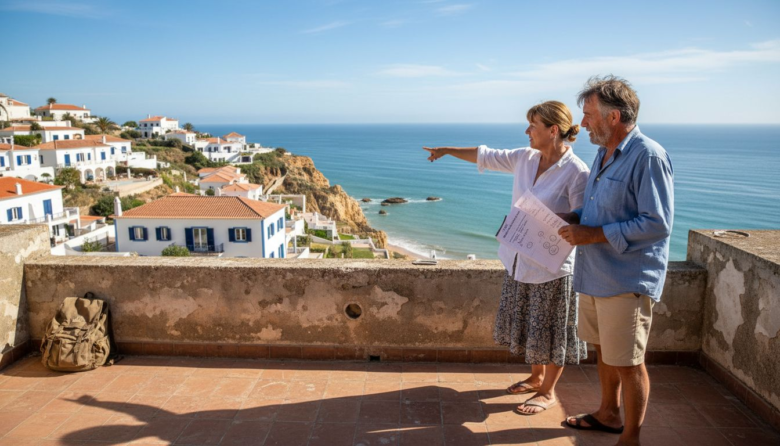
Poszukiwanie niezawodnego sposobu na zarabianie na nieruchomościach wakacyjnych w Lagos, Algarve przynosi unikalne pytania dla inwestorów z Unii Europejskiej. Portugalia oferuje stabilne ramy prawne i przejrzyste procesy zakupu, dzięki czemu nabycie nieruchomości jest mniej skomplikowane dla nierezydentów. Algarve wyróżnia się dużym potencjałem wynajmu dzięki stałemu popytowi turystycznemu i konkurencyjnym cenom nieruchomości. Niniejszy przewodnik przedstawia najważniejsze kroki prawne oraz wyjaśnia koszty i podatki, aby pomóc ci pewnie inwestować w wynajem wakacyjny, który może zapewnić solidne zyski.
Spis treści
- Podstawowa definicja portugalskiego rynku nieruchomości
- Główne typy nieruchomości i modele inwestycyjne
- Ramy prawne i proces zakupu w Portugalii
- Koszty, podatki i obowiązki zagranicznych nabywców
- Ryzyko, pułapki i jak zarządzać zdalnie
Kluczowe wnioski
| Punkt | Szczegóły |
|---|---|
| Stabilne środowisko inwestycyjne | Portugalia oferuje przewidywalny krajobraz nieruchomości z przejrzystymi przepisami, co czyni ją atrakcyjną dla międzynarodowych inwestorów. |
| Program Złotej Wizy | Program ten zapewnia opcje pobytu dla inwestorów w nieruchomości, zwiększając atrakcyjność rynku. |
| Zróżnicowane opcje nieruchomości | Inwestorzy mogą wybierać spośród nieruchomości mieszkalnych, komercyjnych i turystycznych, z których każda ma inny model inwestycyjny. |
| Ramy prawne i obowiązki podatkowe | Zrozumienie lokalnych procedur prawnych i obowiązków podatkowych jest niezbędne do udanego inwestowania w nieruchomości w Portugalii. |
Podstawowa definicja portugalskiego rynku nieruchomości
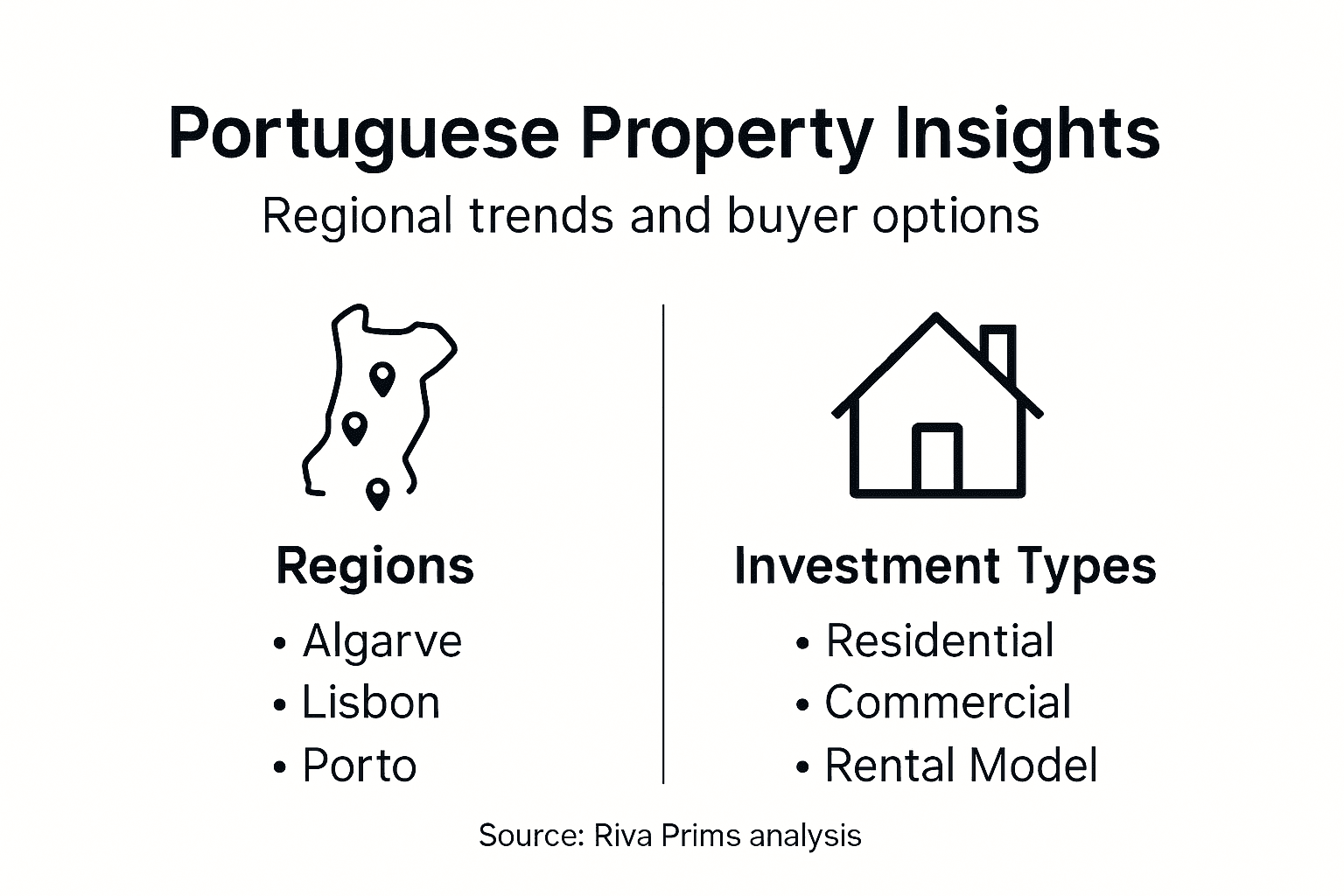
Portugalski rynek nieruchomości reprezentuje dynamiczny krajobraz inwestycyjny oferujący wyjątkowe możliwości dla inwestorów z Unii Europejskiej, szczególnie w regionach takich jak Algarve. Rynek ten obejmuje nieruchomości mieszkalne, komercyjne i wakacyjne w różnych strefach geograficznych Portugalii, ze znaczną koncentracją w obszarach przybrzeżnych i miejskich, takich jak Lagos, Porto i Lizbona.
Portugalski rynek nieruchomości charakteryzuje się kilkoma charakterystycznymi cechami, które czynią go atrakcyjnym dla międzynarodowych inwestorów:
- Stabilne środowisko inwestycyjne: Portugalia oferuje przewidywalne przepisy dotyczące nieruchomości i przejrzyste procesy prawne dotyczące nabywania nieruchomości.
- Program Złotej Wizy: Zapewnia ścieżki pobytu dla inwestorów w nieruchomości spełniających określone progi inwestycyjne.
- Konkurencyjne ceny nieruchomości: W porównaniu z innymi rynkami Europy Zachodniej, portugalskie nieruchomości pozostają stosunkowo przystępne cenowo.
- Duży potencjał wynajmu: Wysoki popyt turystyczny stwarza solidne możliwości krótkoterminowego i długoterminowego wynajmu.
Od 2015 r. rynek przeszedł znaczącą transformację, napędzaną przez inwestycje zagraniczne i strategiczne polityki rządowe mające na celu przyciągnięcie międzynarodowych nabywców. Procesy zakupu nieruchomości w Lagos stały się coraz bardziej uproszczone, dzięki czemu inwestycje stały się bardziej dostępne dla obywateli UE.
Zrozumienie rynku wymaga dogłębnej znajomości różnic regionalnych. Na przykład region Algarve znacznie różni się od miejskiego krajobrazu nieruchomości w Lizbonie, oferując unikalne cechy inwestycyjne, takie jak wyższy potencjał turystyczny i bardziej atrakcyjne rynki wynajmu wakacyjnego.
Wskazówka: Przed dokonaniem inwestycji należy przeprowadzić dokładne badania lokalnego rynku i skonsultować się z wyspecjalizowanymi prawnikami zaznajomionymi z portugalskimi przepisami dotyczącymi nieruchomości.
Główne typy nieruchomości i modele inwestycyjne
Portugalski krajobraz inwestycji w nieruchomości oferuje różnorodne modele inwestycyjne i typy nieruchomości, które zaspokajają różne profile inwestorów i cele strategiczne. Opcje inwestycji w nieruchomości w Portugalii obejmuje wiele kategorii, z których każda oferuje wyjątkowe możliwości dla międzynarodowych inwestorów.
Główne typy nieruchomości inwestycyjnych obejmują:
- Nieruchomości mieszkalne: Apartamenty, wille i domy w regionach miejskich i nadmorskich
- Nieruchomości komercyjne: Powierzchnie biurowe, punkty sprzedaży detalicznej i obiekty wielofunkcyjne
- Właściwości turystyczne: Hotele, domy wakacyjne i kwatery krótkoterminowe
- Fundusze inwestycyjne: Zbiorowe instrumenty inwestycyjne ukierunkowane na portfele nieruchomości
Inwestorzy mogą angażować się w te typy nieruchomości za pomocą kilku modeli strategicznych:
- Bezpośrednie nabycie nieruchomości: Bezpośredni zakup poszczególnych nieruchomości
- Fundusze inwestycyjne nieruchomości (REIT)
- Partnerstwa na rzecz rozwoju nieruchomości
- Programy zbiorowego inwestowania
Każdy model inwestycyjny wiąże się z innymi korzyściami i względami. Bezpośrednia własność nieruchomości zapewnia pełną kontrolę i potencjalny wzrost wartości, podczas gdy programy zbiorowego inwestowania oferują niższe bariery wejścia i profesjonalne zarządzanie. W Program Złotej Wizy dodatkowo zwiększa atrakcyjność inwestycji, zapewniając ścieżki pobytu dla kwalifikujących się inwestycji w nieruchomości.
Oto porównanie głównych modeli inwestowania w nieruchomości w Portugalii i ich kluczowych cech:
| Model inwestycyjny | Poziom kontroli | Minimalna inwestycja | Profesjonalne zarządzanie |
|---|---|---|---|
| Bezpośredni zakup nieruchomości | Pełna indywidualna kontrola | Wysoki | Zarządzany przez właściciela |
| Fundusze inwestycyjne nieruchomości (REIT) | Ograniczona kontrola | Umiarkowany | Fachowe zarządzanie |
| Partnerstwa na rzecz rozwoju | Wspólna kontrola | Zmienna | Wspólny nadzór |
| Programy zbiorowego inwestowania | Niski poziom kontroli bezpośredniej | Niski | W pełni zarządzani profesjonaliści |
Portugalskie inwestycje w nieruchomości korzystają z solidnych ram prawnych zaprojektowanych w celu ochrony inwestorów zagranicznych i zapewnienia przejrzystych procesów transakcyjnych.
Wskazówka: Skonsultuj się z wyspecjalizowanymi prawnikami, którzy rozumieją niuanse portugalskich przepisów dotyczących nieruchomości, aby zoptymalizować swoją strategię inwestycyjną i zminimalizować potencjalne ryzyko.
Ramy prawne i proces zakupu w Portugalii
Portugalskie ramy nabywania nieruchomości zapewniają przejrzyste i ustrukturyzowane podejście dla międzynarodowych inwestorów, podlegają kompleksowym regulacjom prawnym które zapewniają bezpieczne i przewidywalne transakcje na rynku nieruchomości. System prawny uwzględnia dyrektywy Unii Europejskiej, tworząc solidne środowisko dla zagranicznych inwestycji w nieruchomości.
Typowy proces zakupu nieruchomości obejmuje kilka kluczowych etapów:
- Uzyskanie portugalskiego numeru podatkowego (NIF)
- Przeprowadzenie kompleksowej analizy due diligence nieruchomości
- Podpisanie umowy wekslowej (CPCV)
- Wypełnienie ostatecznego aktu własności (Escritura) przed notariuszem
- Zarejestrować nieruchomość u władz lokalnych
Kluczowe kwestie prawne dla inwestorów obejmują:
- Weryfikacja tytułu: Kompleksowe kontrole rejestrów publicznych
- Wymagania dotyczące zgodności: Przestrzeganie przepisów administracyjnych
- Zobowiązania podatkowe: Zrozumienie lokalnych i krajowych implikacji podatkowych
- Ochrona inwestorów zagranicznych: Szczególne gwarancje prawne dla międzynarodowych nabywców
Portugalskie ramy prawne nadają priorytet przejrzystości i zapewniają jasne mechanizmy nabywania nieruchomości i rozstrzygania sporów.
Inwestorzy muszą przejść przez wiele etapów proceduralnych, w tym szczegółowy przegląd dokumentacji, rejestrację podatkową i formalne procesy przeniesienia własności. Przepisy dotyczące zamówień publicznych odgrywają kluczową rolę w zapewnieniu uczciwych i ustrukturyzowanych transakcji dotyczących nieruchomości.

Wskazówka: Zawsze angażuj lokalnego prawnika specjalizującego się w portugalskich nieruchomościach, który poprowadzi Cię przez złożone biurokratyczne i prawne wymogi związane z nabywaniem nieruchomości.
Koszty, podatki i obowiązki zagranicznych nabywców
Zagraniczni inwestorzy muszą poruszać się po złożonym krajobrazie podatkowym przy zakupie nieruchomości w Portugalii. Szczegółowe zasady podatkowe dla kupujących z zagranicy wymaga starannego planowania finansowego i profesjonalnego doradztwa. Zrozumienie różnych obowiązków podatkowych ma kluczowe znaczenie dla podejmowania świadomych decyzji inwestycyjnych.
Kluczowe kwestie podatkowe dla zagranicznych nabywców nieruchomości obejmują:
- Podatek od przeniesienia własności (IMT): Zakres do 7,5% w zależności od typu i wartości nieruchomości
- Podatek od nieruchomości komunalnych (IMI): Roczny podatek wahający się od 0,3% do 0,45%.
- Opłata skarbowa: Dodatkowy koszt transakcji
- Podatek od zysków kapitałowych: Różne stawki w zależności od statusu rezydenta
Zobowiązania finansowe międzynarodowych inwestorów dzielą się na kilka krytycznych kategorii:
- Początkowe koszty nabycia
- Roczne podatki cykliczne
- Rejestracja i koszty prawne
- Potencjalne opłaty związane z pobytem
Inwestorzy niebędący rezydentami mają do czynienia ze specyficznymi systemami podatkowymi, które znacznie różnią się od lokalnych struktur własności nieruchomości.
Kompleksowe strategie planowania podatkowego może pomóc zminimalizować zobowiązania podatkowe i zoptymalizować zwroty z inwestycji. Inwestorzy powinni liczyć się z dodatkowymi wydatkami poza ceną zakupu nieruchomości, w tym opłatami notarialnymi, konsultacjami prawnymi i kosztami obsługi administracyjnej.
Poniżej znajduje się podsumowanie głównych podatków i kosztów, na jakie narażeni są zagraniczni nabywcy nieruchomości w Portugalii:
| Typ wydatków | Kto płaci | Typowa kwota/stawka | Kiedy należy |
|---|---|---|---|
| Podatek od przeniesienia własności | Kupujący | Wartość do 7,5% | Przy zakupie |
| Podatek od nieruchomości komunalnych | Właściciel rocznie | 0,3%-0,45% wartości | Rocznie |
| Opłata skarbowa | Kupujący | Różnie, ~0,8% ceny | Podczas transakcji |
| Podatek od zysków kapitałowych | Sprzedawca | Na podstawie miejsca zamieszkania | Po sprzedaży |
Wskazówka: Zaangażuj wyspecjalizowanego portugalskiego konsultanta podatkowego, aby opracował spersonalizowaną strategię podatkową, która uwzględni Twoje konkretne cele inwestycyjne i status rezydenta.
Ryzyko, pułapki i jak zarządzać zdalnie
Zagraniczni inwestorzy na rynku nieruchomości muszą być świadomi potencjalnych wyzwań związanych z Zdalne strategie inwestowania w nieruchomości na rynku portugalskim. Poruszanie się w tych zawiłościach wymaga strategicznego podejścia, które minimalizuje ryzyko przy jednoczesnej maksymalizacji potencjału inwestycyjnego.
Kluczowe ryzyko dla zdalnych inwestorów obejmuje:
- Weryfikacja tytułu prawnego: Zapewnienie jasnej dokumentacji własności nieruchomości
- Zmienność rynku: Zrozumienie regionalnych wahań gospodarczych
- Zgodność z przepisami: Nadążanie za zmieniającymi się przepisami dotyczącymi nieruchomości
- Zarządzanie na odległość: Koordynacja inwestycji z zagranicy
Strategie ograniczania ryzyka związanego z inwestycjami zdalnymi obejmują wiele warstw ochrony:
- Zaangażowanie lokalnej reprezentacji prawnej
- Przeprowadzenie kompleksowej analizy due diligence
- Korzystanie z renomowanych usług zarządzania nieruchomościami
- Wdrożenie niezawodnych kanałów komunikacji
- Opracowanie planów awaryjnych na wypadek nieoczekiwanych wyzwań
Inwestorzy zdalni muszą traktować inwestycje w portugalskie nieruchomości jako profesjonalne przedsięwzięcie wymagające ciągłego monitorowania i porad ekspertów.
Kompleksowe techniki zarządzania ryzykiem mają kluczowe znaczenie dla skutecznego poruszania się po portugalskim rynku nieruchomości. Inwestorzy powinni nadać priorytet budowaniu sieci zaufanych lokalnych specjalistów, którzy mogą zapewnić wgląd w czasie rzeczywistym i chronić ich interesy.
Wskazówka: Stwórz szczegółowy plan zarządzania inwestycjami, który obejmuje kwartalne przeglądy, konsultacje z lokalnymi ekspertami i fundusze awaryjne, aby sprostać potencjalnym nieprzewidzianym wyzwaniom w strategii inwestowania w nieruchomości na odległość.
Zabezpiecz swoje miejsce na portugalskim rynku nieruchomości dzięki poradom ekspertów
Poruszanie się po portugalskim rynku nieruchomości wiąże się z wyjątkowymi wyzwaniami, w tym zawiłościami prawnymi, obowiązkami podatkowymi i zdalnym zarządzaniem inwestycjami. Jeśli chcesz uniknąć typowych pułapek i pewnie wykorzystać możliwości, takie jak program Złotej Wizy i wysoki popyt na wynajem w Lagos i Algarve, niezbędne jest lokalne wsparcie ekspertów. Zrozumienie regionalnych różnic i zapewnienie pełnej zgodności z portugalskimi ramami prawnymi może być przytłaczające, ale ma kluczowe znaczenie dla ochrony inwestycji.
W Riva Prime specjalizujemy się we wspieraniu międzynarodowych inwestorów na każdym etapie procesu nabywania nieruchomości i zarządzania nimi. Nasze usługi obejmują szczegółowe badania nieruchomości, pomoc prawną i finansową oraz niezawodne zarządzanie wynajmem, mające na celu maksymalizację zysków przy jednoczesnej minimalizacji ryzyka. Dzięki naszej rozległej wiedzy rynkowej i lokalnej sieci, zyskujesz przejrzystość i spokój ducha, których potrzebujesz, inwestując z zagranicy.
Odkryj już dziś, jak nasze kompleksowe rozwiązania mogą uprościć Twoją podróż po rynku nieruchomości w Portugalii.
Zapoznaj się z naszymi dopasowanymi usługami inwestycyjnymi na stronie Riva Prime i dowiedz się więcej o zakupie nieruchomości w Lagos. Przejmij kontrolę nad inwestycją w portugalską nieruchomość już teraz dzięki zaufanym lokalnym ekspertom, którzy poprowadzą Cię na każdym kroku.
Najczęściej zadawane pytania
Jakie są główne rodzaje nieruchomości dostępnych do inwestycji na portugalskim rynku nieruchomości?
Portugalski rynek nieruchomości oferuje różne opcje dla inwestorów, w tym nieruchomości mieszkalne (apartamenty, wille i domy), nieruchomości komercyjne (powierzchnie biurowe i lokalizacje handlowe), nieruchomości turystyczne (hotele i wynajem wakacyjny) oraz fundusze inwestycyjne ukierunkowane na portfele nieruchomości.
Jak działa program Złotej Wizy dla zagranicznych inwestorów w nieruchomości?
Program Złotej Wizy zapewnia możliwości pobytu zagranicznym inwestorom, którzy spełniają określone progi inwestycyjne na portugalskim rynku nieruchomości. Program ten zwiększa atrakcyjność inwestowania, oferując ścieżkę do rezydencji poprzez nabycie nieruchomości.
Jakie są kluczowe zobowiązania finansowe dla zagranicznych nabywców w Portugalii?
Zagraniczni nabywcy muszą wziąć pod uwagę kilka zobowiązań finansowych, w tym podatek od przeniesienia własności nieruchomości (do 7,5% w zależności od wartości nieruchomości), roczny podatek od nieruchomości komunalnych (0,3%-0,45%), koszty opłaty skarbowej i potencjalny podatek od zysków kapitałowych w zależności od statusu rezydenta.
Jakiego ryzyka powinni być świadomi zdalni inwestorzy inwestujący w portugalskie nieruchomości?
Zdalni inwestorzy na portugalskim rynku nieruchomości powinni pamiętać o zagrożeniach, takich jak weryfikacja tytułu prawnego, zmienność rynku, zgodność z przepisami i wyzwania związane z zarządzaniem odległością. Wdrożenie strategii zarządzania ryzykiem może pomóc złagodzić te wyzwania.
Zalecane
- 7-punktowa lista kontrolna inwestycji w portugalskie nieruchomości dla nabywców z UE - RIVA PRIME CONSULTING
- Dlaczego warto kupować pod wynajem w Algarve: Zyskowne spostrzeżenia dotyczące wynajmu - RIVA PRIME CONSULTING
- Ile naprawdę możesz zarobić na nieruchomości w Lagos w Portugalii.
- Rozporządzenie w sprawie wynajmu krótkoterminowego: Co czeka inwestorów w UE - rivaprime.eu
- Agenci nieruchomości San Pedro, Marbella, Benahavis & Estepona - Marbellapads.com | Marbellapads